
The FORZA State of Grassroots Football Report 2025
To view our most recent survey please click here
Grassroots football is the foundation of the sport. It brings people together, creates opportunities for players of all ages and abilities, and helps foster the enjoyment, development, and lifelong benefits that the game provides
However, understanding the daily challenges clubs face as well as their hopes for the future is key to ensuring the longevity of a sporting culture that is often overlooked.
We recently created a survey to understand the realities facing grassroots football today and received an overwhelming 1,001 responses from managers, coaches, secretaries, chairmen/women, and players. From funding to facilities, volunteering to equipment needs, and the growth of the women’s game, here’s what we found, directly from those at the heart of the grassroots game.
Key findings:
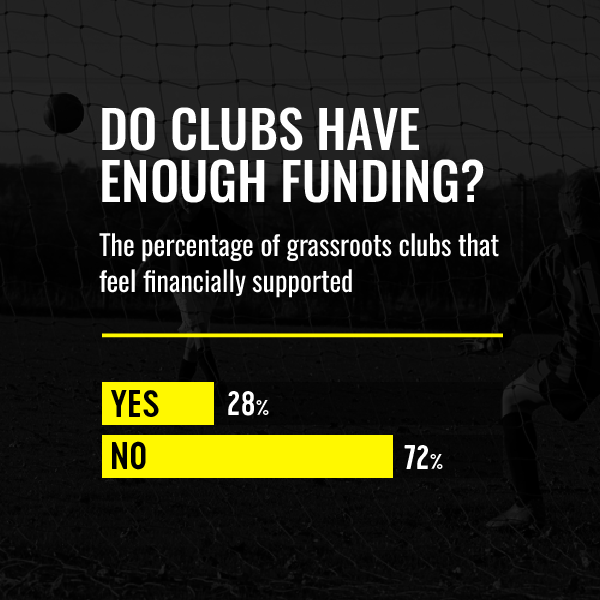
- Almost three quarters (72%) of clubs don’t feel they have enough funding to sustain their activities.
- One in eight (12%) of clubs don’t own their facilities, yet over two fifths (43%) are responsible for facility maintenance.
- Nearly two-thirds (58%) are making do with kits and equipment that have seen far better days and are well beyond usual wear and tear.
- Over half (56%) of clubs now have girls’ teams, which is up from 54% in 2024.
- Almost all clubs (94%) rely on unpaid team members to operate.
Funding Challenges at the Heart of the Game
Balancing the books has typically always been a challenge for many grassroots football clubs, but rising costs over the past year, combined with inconsistent funding, are making it even harder to keep the game going.
Our research revealed that nearly three-quarters of clubs (72%) do not have adequate funding to cover their basic costs.
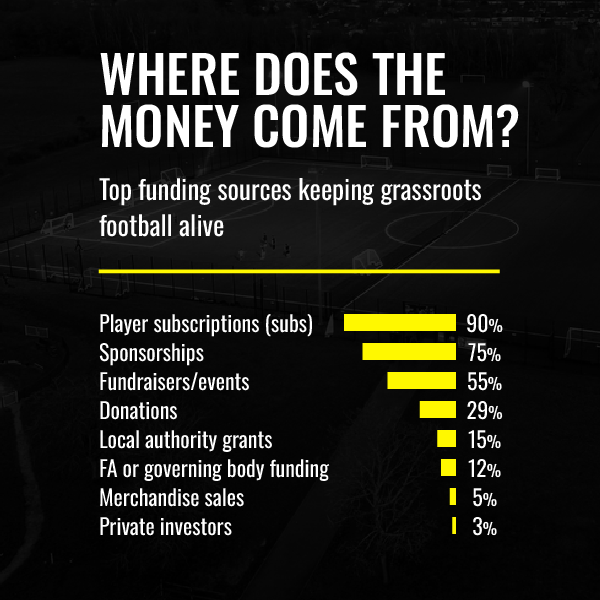
As a result, clubs are being forced to adapt, seeking new ways to secure funding in order to sustain their activities. The survey highlighted several key revenue streams, with player subscriptions (90%) emerging as the most significant, followed by sponsorships (75%) and fundraisers or events (55%).
Despite these efforts, financial pressure remains one of the biggest challenges. Four in five clubs (80%) report that players, coaches and other volunteers self-fund their travel to games just to ensure attendance on match day.
When it came to sponsorship, local businesses were revealed to be vital backers. More than four-fifths of clubs (84%) identify sponsorship from local businesses as a key source of support, while almost two-thirds (61%) rely on personal networks to help secure deals. This underscores the importance of community partnerships in sustaining grassroots football.
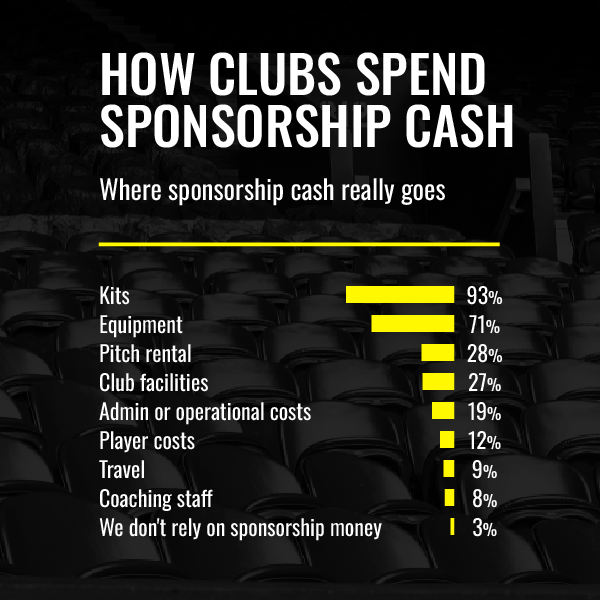
When asked how sponsorship money is allocated, most clubs said it goes directly towards essentials, with kits (93%) and equipment (71%) being the main areas of focus.
But it’s not just kit and gear that clubs have to cover. Day-to-day operations and maintenance come at a steep cost. Almost half (47%) estimate their running costs are £250 or more per week, and more than nine in ten (91%) report these costs have increased in recent years.
Alarmingly, almost all (90%) of those have seen rises in running costs of more than 5%. It’s therefore unsurprising that over four in five (81%) identify a lack of funding and sponsorship as one of the biggest challenges facing grassroots football in 2025.
Facilities Under Pressure
The quality of facilities and access to them remain one of the most crucial factors in any grassroots club’s success. But in recent years, ownership levels of these facilities have fallen sharply, while costs continue to rise.
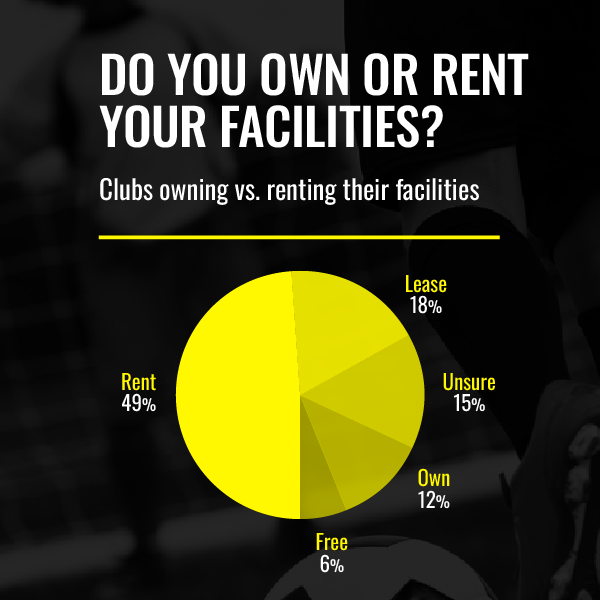
Our research found that only one in eight clubs (12%) actually owns the facilities they use. Yet despite this low level of ownership, more than four in ten (43%) are still responsible for maintaining them.
This combination of limited ownership and escalating expenses is placing growing pressure on clubs, threatening both their long-term sustainability and their ability to support players on and off the pitch.
Nearly half of clubs surveyed (49%) said they rent their facilities, while a further 6% rely on free or informal arrangements rather than having a secure lease or owning their grounds. This highlights how precarious facility access can be in grassroots football, with many clubs facing the constant risk of rising costs, limited availability, or even losing their pitches altogether.
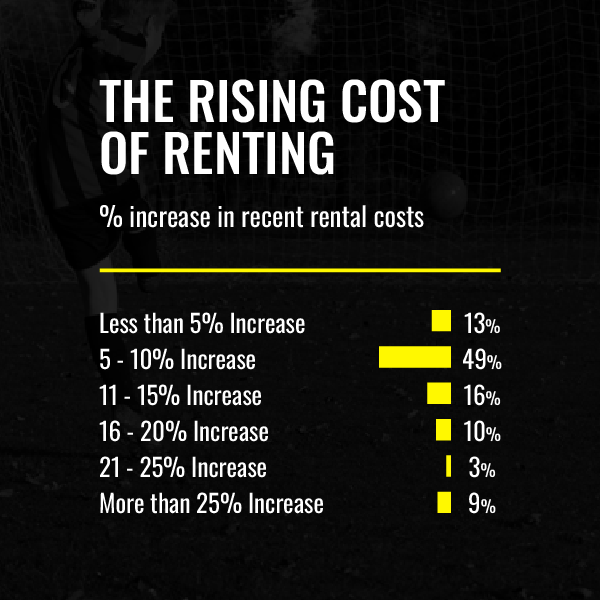
For clubs renting rather than owning their playing facilities, financial pressures can be even greater, with ongoing costs bringing their own challenges. Nearly nine in ten clubs (87%) have seen rental costs increase by 5% or more, with one in ten (10%) reporting rises of over 25%.
Cost isn’t the only challenge facing grassroots club facilities. 68% of clubs have access to multiple pitches, and nearly a third (29%) of clubs have or use five or more pitches, but many still say they struggle to meet the demand from their growing number of teams. In fact, more than half (56%) of the clubs that we surveyed told us that limited access to pitches or facilities was a major issue.
Weather also adds to the problem. Almost nine in ten clubs (86%) told us they’ve had matches cancelled because of it, making it the single biggest cause of disruption. In periods of bad weather when games are called off it’s not uncommon for teams to go weeks between fixtures.
Many respondents also highlighted that the shortage and cost of hiring 3G/4G pitches is a particular concern, with a large number saying that having their own 3G/4G pitch would make the biggest difference to their club.
When it came to the quality of the pitches being used, the findings from our survey revealed a mixed picture.
When asked to rate pitch quality out of ten, clubs gave an average score of six. A quarter (25%) of respondents rated their pitches higher, giving them eight out of ten or better, while one in five (21%) rated theirs as four or below.
These findings highlight how limited access and rising facility costs could have a direct impact on participation in grassroots sport, particularly in lower-income areas, if more is not done to protect and invest in local pitches and clubs.

The Kit & Equipment Shortage
Kits and training equipment are more than just practical necessities for grassroots clubs; they’re vital for supporting performance and building confidence on the pitch, along with being a key part of the identity of a club.
Yet despite their importance, many clubs are struggling. Limited resources are restricting access to the tools that help players and teams thrive.
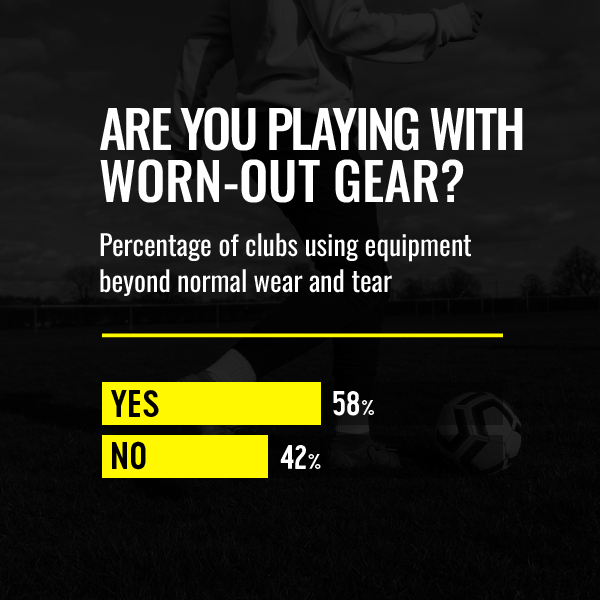
Worryingly, nearly two-thirds of clubs (58%) said they’re using equipment that has gone beyond typical wear and tear, highlighting the mounting strain on resources.
An additional 58% feel they don’t have enough equipment to operate effectively, while almost two in five clubs (38%) report not having enough training bibs to go around.
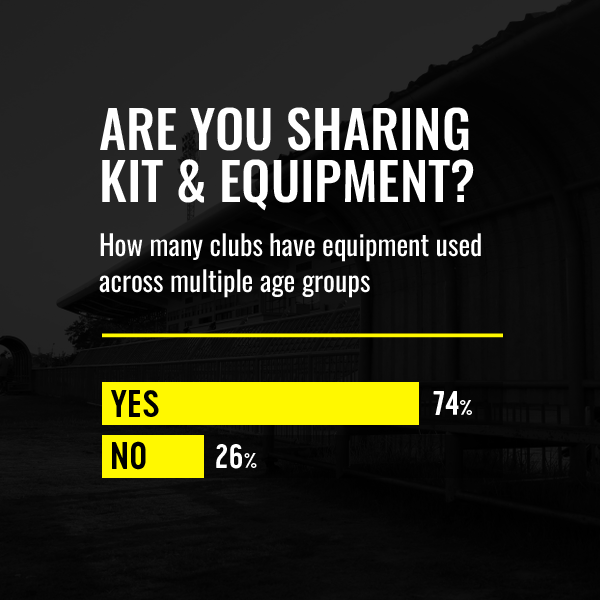
This issue is likely being compounded by the fact that nearly three-quarters (74%) of clubs share equipment across multiple teams and age groups.
Old or insufficient equipment does more than limit a club’s ability; it can compromise performance, safety and confidence on the pitch.
That’s why access to good-quality football kits and equipment is so critical. It’s not just a practical need; it helps foster the right environment for participation, safety and player development at every level of grassroots football.
The Rise of the Women’s & Girls’ Game
One of the most encouraging developments in grassroots football is the rapid rise of the women’s game, echoing the wider momentum seen across women’s sport.
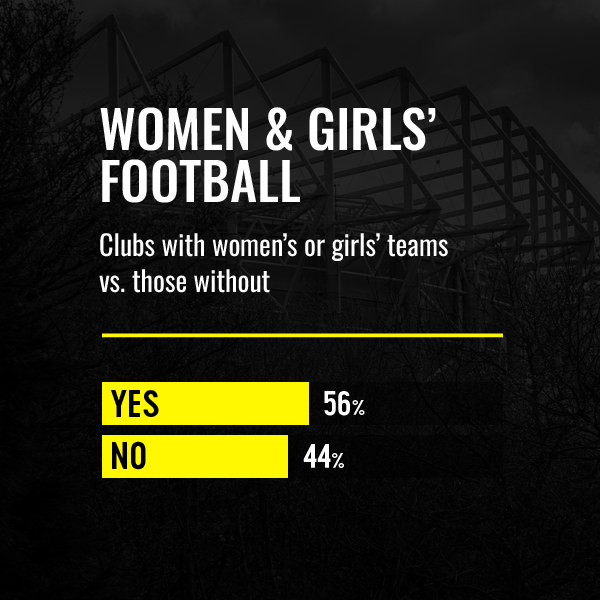
More than half of clubs (56%) we surveyed now have a girls or women’s team as part of their setup. That’s up from 54% in 2024, reflecting steady growth and rising demand.
The majority of clubs aren’t stopping at just one team. Over three-quarters (78%) already run multiple girls’ or women’s teams, while a third (33%) now manage six or more.
Most clubs (93%) also reported growth in their women’s and girls’ teams in recent years, with many reporting that they would likely see further growth if facilities, funding and volunteer availability allowed.
This surge reflects not only the passion and participation of girls in grassroots football but also presents a major opportunity to support, invest in and expand the women’s game even further.
Volunteers: The Backbone of Grassroots Football
Grassroots football simply wouldn’t survive without the dedication of volunteers who give their time and energy to keep clubs running week in, week out.
In fact, the majority of clubs we spoke to (94%) said that they don’t rely on paid staff but on the passion and commitment of volunteers.
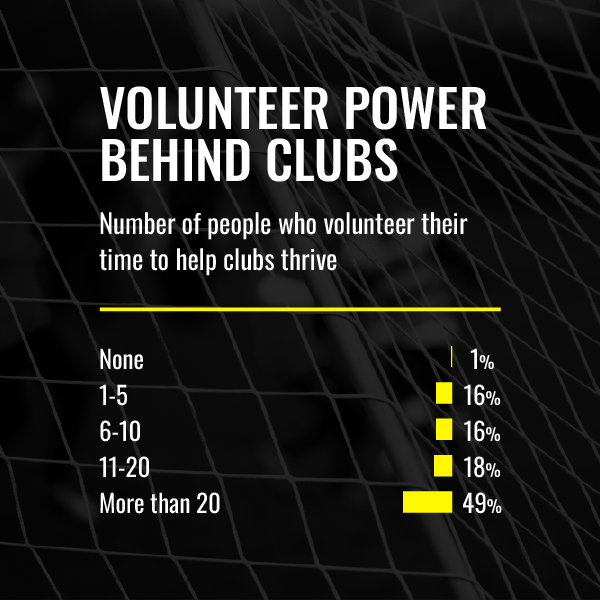
Many clubs benefit from large volunteer bases; nearly half (49%) have more than 20 volunteers, and two-thirds (67%) have more than ten.
But despite the positivity, challenges remain. More than half of clubs surveyed highlighted a shortage of volunteers and coaches as a major hurdle.
While nearly half (46%) of current volunteers have been involved in grassroots football for over a decade, new faces are always needed to keep the game going.
Still, the commitment of those already involved shines through. Almost every club (96%) said their coaches hold recognised coaching qualifications, a clear sign of dedication to learning and player development and a desire to be as professional as possible to elevate the levels of the team they are involved in.
The motivations behind volunteering are just as inspiring. Nine in ten (91%) said they do it to see players grow in confidence and skill. Other key drivers include building friendships and connections (79%), passion for the game (78%), creating a fun and inclusive environment (74%), being part of the local community (73%), giving back to football (68%), and supporting their child’s enjoyment (68%).
Above all, optimism remains strong. Despite the challenges, more than four-fifths (85%) of respondents said they feel hopeful about the future of their club, and three-quarters (75%) are optimistic about grassroots football overall.
This resilience and spirit is what keeps grassroots football alive.
Summary
FORZA & Net World Sports continues to produce accessible and innovative professional sporting goods and equipment, intended to lower the bar of entry for aspirational players and clubs across the UK and beyond. As part of this research, 6 lucky clubs have been awarded vouchers to spend on FORZA equipment such as football goals, goal nets, training equipment, footballs and other essential supplies to help refresh their equipment. In 2025 and beyond we will continue to support the sport we love, and we look forward to seeing the continued growth of grassroots clubs and their communities.
Methodology:
The Net World Sports Grassroots Football Survey collected 1,001 responses from clubs across the UK between 1st and 31st July 2025. The survey covered topics including funding, facilities, equipment, staffing, and the growth of girls’/women’s teams.
Follow us on social media for more updates and reports: