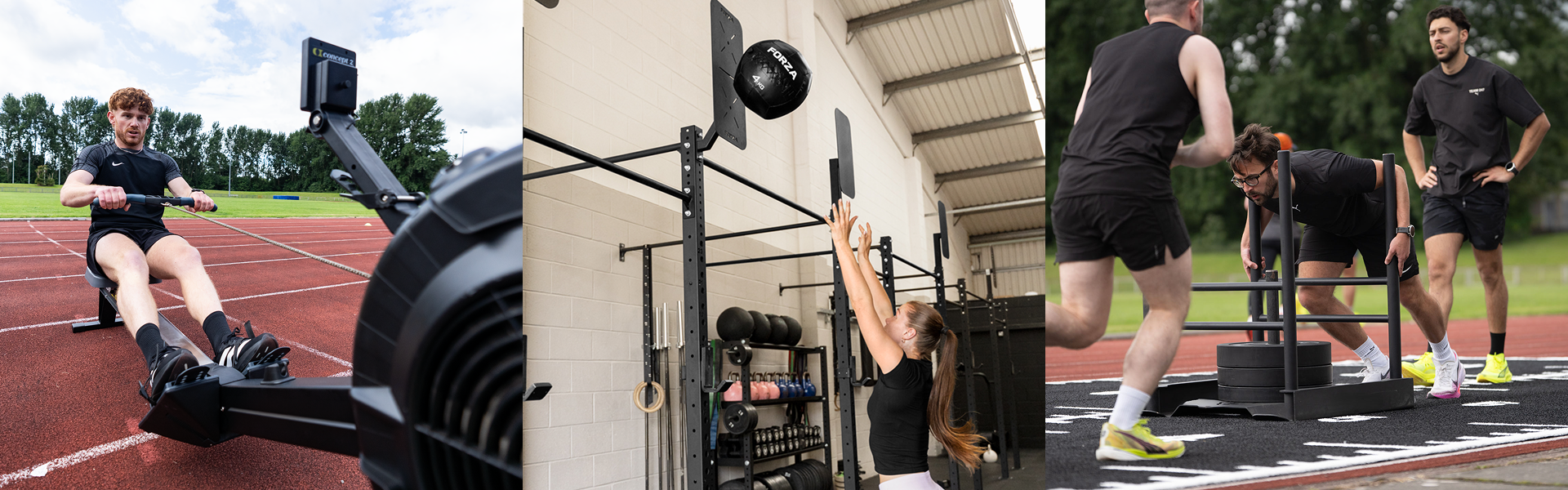
12-Week HYROX Training Plan
The Complete Training Plan to Get You Race Ready
The world's fastest growing fitness race - HYROX, is popular because it is challenging, fun and gets results. Whether you are completely new to HYROX and preparing for your first even, or you want to get in great shape before your first HYROX gym session, this 12 week training programme will help you reach peak performance. Even if you are a HYROX veteran, the programme will help you to build strength, power, endurance, and mental toughness - whilst having fun.
This programme progresses from a foundation of general fitness, to HYROX specific fitness and preperation for a HYROX event. Use it to prepare for a competition or just to get in great shape. Always consult a doctor and/or health professional before undertaking a new exercise programme.
By the end of the 12 weeks, you will develop aerobic capacity, master the 8 exercise stations, build strength and muscular endurance. You should be able to finish a HYROX event strong and in a 'good' time. Although, we would encourage you to compete with yourself and try and improve compared to yourself and your best time yesterday or last week, rather than comparing yourself to others. The key is to keep improving.
For detailed information about each HYROX station and exercise technique, visit our comprehensive Guide to HYROX.
Use the quick navigation below to jump to specific sections of this comprehensive 12-week HYROX training guide:
- Who Is This Programme For?
- Programme Overview
- Equipment Required
- How to Use This Programme
- Phase 1: Base Building (Weeks 1-4)
- Phase 2: Race-Specific Training (Weeks 5-8)
- Phase 3: Peak Performance & Race Simulation (Weeks 9-11)
- Phase 4: Taper & Race Week (Week 12)
- Understanding Training Zones
- Nutrition & Recovery
- Race Day Preparation
- Common Mistakes to Avoid
- Frequently Asked Questions
- What Comes Next?
A quick recap, the main exercises are listed below:
The 8 HYROX Workout Stations
- 1000m SkiErg - Upper body endurance challenge
- 50m Sled Push - Lower body power and strength
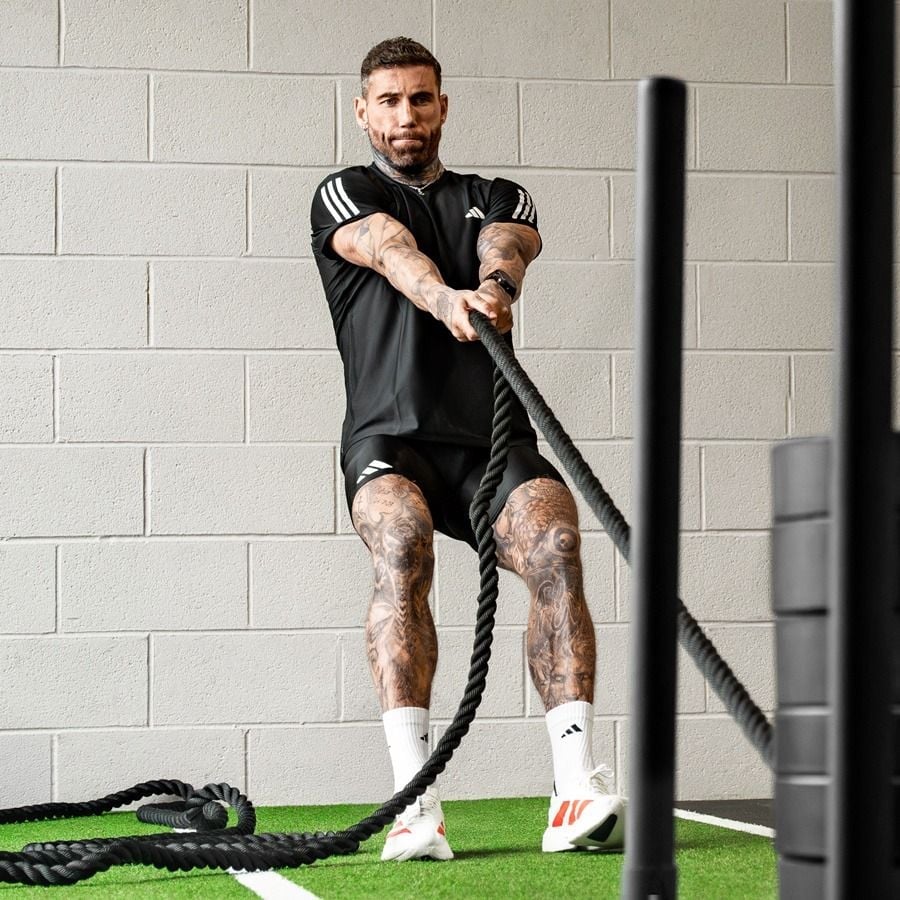
- 50m Sled Pull - Posterior chain and grip strength
- 80m Burpee Broad Jumps - Full body explosive power
- 1000m RowErg - Full body cardiovascular test
- 200m Farmers Carry - Grip strength and core stability
- 100m Sandbag Lunges - Leg strength and mental fortitude
- 100 Wall Balls - Full body coordination and endurance
This 12-week HYROX programme is designed for beginners. Those who want to complete their first HYROX race with confidence. You don't need to be an elite athlete, but you should have a basic fitness foundation. If you already train and/or go to the gym regularly, you can look to skip the first 1 or 2 weeks. Consult a professional fitness instructor and/or your doctor for specific advice.
You're Ready to Start If:
- You can run 3-5km continuously at an easy pace
- You can perform basic bodyweight exercises (squats, push-ups, lunges)
- You have access to a gym with functional fitness equipment
- You can commit to 4-5 training sessions per week
- You're injury-free and medically cleared for intense exercise
Build Your Base First If:
- You're currently inactive or sedentary
- You struggle to run continuously for 20 minutes
- You have recent injuries or chronic pain
- You've never done strength training before
- You can only train 2-3 times per week

Important: If you're in/your current activity levels fit within, the second category above "Build Your Base First If", consider spending 4-8 weeks building your base fitness with regular running (3x per week) and basic strength training (2x per week) with bands and bodyweight exercises like squats and press ups. Building a solid foundation will prevent injury and ensure you enjoy the training process. Build up gradually and consult a doctor before starting. Doing just 5 minutes a day is expenetially better than doing nothing at all. If you have to, start with 1 set of 20 squats. And work up from there. Having said that, if you contact a local HYROX gym or personal trainer for day 1, they will be able to tailor a suitable training programme to suit your baseline fitness levels.
Programme Overview
This 12-week programme is divided into four progressive phases, each building on the previous one. You'll start with foundational fitness and gradually progress to race-specific training. The final phaases involve full race simulations before tapering for your event.
| Programme Overview | |||
|---|---|---|---|
| Phase | Weeks | Focus | Sessions/Week |
| Phase 1: Base Building | 1-4 | Aerobic capacity, movement patterns, strength foundation | 4 |
| Phase 2: Race-Specific | 5-8 | HYROX stations, lactate threshold, muscular endurance | 5 |
| Phase 3: Peak & Simulate | 9-11 | Full race simulations, mental preparation, fine-tuning | 5 |
| Phase 4: Taper | 12 | Recovery, activation, race preparation | 3 |
Key Programme Principles
- Progressive Overload: Training volume and intensity increase gradually across the 12 weeks
- Periodisation: Each phase has a specific focus with built-in recovery weeks
- Specificity: Training becomes increasingly race-specific as you progress
- Recovery: Rest days and deload weeks are programmed to prevent burnout and injury
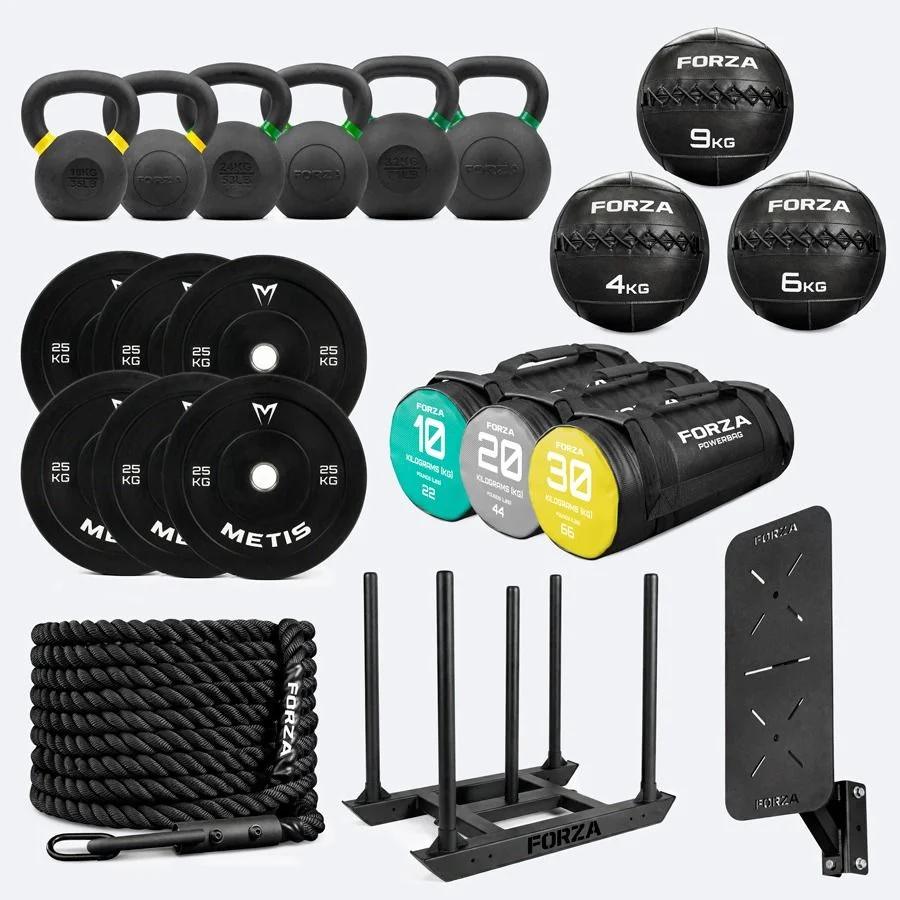
HYROX Equipment Required
- Essential*
- Rowing machine
- SkiErg
- Gym sled (push/pull)
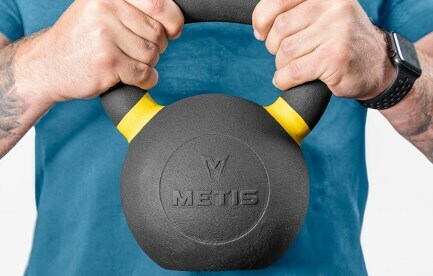
- Kettlebells (dumbbells are a good substitute for farmer's walks)
- Wall balls (4kg/6kg/9kg)
- Sandbag/power bag (10kg/20kg/30kg)
- Treadmill or running track (or just somewhere to run)
- Optional (But Recommended)
- Foam roller
- Resistance bands
- Weights belt
- Chalk
- Heart rate monitor
Training at home? Check out our HYROX Equipment Bundles.

*most gyms will have everything, except wall balls - which you may have to find a specific HYROX gym for
Weekly Training Structure
Now we've listed the equipment required at your gym or at home; look at the table below for an idea of the time commitment required. This programme balances four key training components: running for aerobic capacity, high-intensity intervals for race pace and lactate tolerance, strength and conditioning for the workout stations, and essential recovery time.
The table below shows the session types you'll complete each week throughout the 12-week programme.
Early phases (Weeks 1-4) focus more heavily on easy running and foundational strength.
Later Phases (Weeks 5-11) increase the frequency of HYROX-specific station work and race simulations.
The programme builds gradually, to mitigate the risk of injury and burnout.
Important: Week 1 starts with 4 sessions, building to 5 sessions per week in race-specific phases (Weeks 5-11), then tapering to 3 sessions in race week.
| Sample Training Week (Phase 2 - Weeks 5-8) | ||
|---|---|---|
| Day | Session Type | Duration |
| Monday | Run + HYROX Stations | 45-60 mins |
| Tuesday | Easy Recovery Run | 30 mins |
| Wednesday | Strength & Conditioning | 40-45 mins |
| Thursday | Interval/Threshold Run | 35-40 mins |
| Friday | Rest Day | - |
| Saturday | Long Run | 45-50 mins |
| Sunday | Active Recovery (stretching, mobility) | 20-30 mins |
Total weekly training time: 4-5 hours across 5 sessions. The exact schedule varies by phase - detailed weekly plans are provided for each of the 12 weeks.
How to Use This Programme
- Schedule your sessions at the start of each week
- Warm up properly before every session (10 mins light cardio + dynamic stretching)
- Record your times and weights to track progression
- Listen to your body, take extra rest if needed/if you're body is sore
- Follow the nutrition guidelines for optimal recovery
- Don't skip the mobility work. It prevents injury and improves performance
Understanding Training Zones
This HYROX programme uses heart rate zones to guide training intensity. Here's a simple breakdown:
- Zone 2 (Easy): 60-70% of max heart rate (~120-140 bpm for most people). Conversational pace - you should be able to talk in full sentences. This builds your aerobic base.
- Zone 3 (Moderate): 70-80% of max heart rate (~140-160 bpm for most people). Comfortably hard - you can speak in short phrases. Improves stamina.
- Zone 4 (Threshold): 80-90% of max heart rate (~160-175 bpm for most people). Hard effort - speaking is difficult. Builds race-specific fitness.
- Zone 5 (Max): 90-100% of max heart rate (~175+ bpm for most people). All-out effort - can only manage single words. Used sparingly.
Calculate Your Personal Zones: A rough estimate of maximum heart rate is 220 minus your age. For example, a 30-year-old would have an estimated max HR of 190 bpm. However, this varies significantly between individuals based on fitness level, genetics, and other factors.
Important: These heart rate ranges are general estimates and can vary significantly based on age, fitness level, and individual physiology. For more accurate zones, consider a lactate threshold test or work with a qualified coach. If you don't have a heart rate monitor, use the "talk test" described below to gauge your effort level.
RPE (Rate of Perceived Exertion) Scale
While heart rate monitoring is useful, it's not always necessary. Rate of Perceived Exertion (RPE) is a scientifically validated method for gauging training intensity based on how hard you feel you're working. Developed by Swedish psychologist Gunnar Borg in the 1960s, RPE has become a cornerstone of modern training programmes because it accounts for variables that heart rate alone cannot capture - such as fatigue, heat, dehydration, stress, and illness.
RPE is particularly valuable for HYROX training because different workout stations affect your body differently. Your heart rate might spike during sled pushes even though you're not at maximum effort, whilst burpee broad jumps might feel harder than your heart rate suggests. By combining heart rate data with RPE, you develop a more intuitive understanding of your body's responses to training stress.
The RPE scale below provides a simple framework for self-regulating training intensity. Use it alongside the heart rate zones to ensure you're training at the right intensity for each session:
| RPE (Rate of Perceived Exertion) Scale | ||
|---|---|---|
| RPE | Effort Level | Description |
| 1-3 | Easy | Can hold full conversation |
| 4-5 | Moderate | Can speak in sentences |
| 6-7 | Hard | Can only speak a few words |
| 8-9 | Very Hard | Cannot speak |
| 10 | Maximum | All-out effort |
Because it is subjective, perceived rate of exertion often gets dismissed as a measure of fitness or progression. However, it can be key to measure how well you are progressing physically as well as mentally, and is a simple way to set the level of intensity of your workout or a given exercise within your routine. Use alongside heart rate where possible to gauge effort and progression.
Phase 1: Base Building (Weeks 1-4)
The first phase focuses on building your aerobic fitness and establishing solid movement patterns and exercise technique, to stay injury free. You'll train four times per week, combining steady-state running with foundational strength work. This phase prepares your body for more intense training.
Goal: Build aerobic capacity, learn movement techniques, establish strength foundation.
Phase 1 Priorities
- Maintaining consistent, comfortable pacing on runs
- Learning proper technique for SkiErg, RowErg, and BikeErg
- Building baseline strength with bodyweight and light weights
- Establishing a consistent training routine
Understanding Your Phase 1 Sessions
The weekly training tables above show when to train and what type of session to complete each day. The tables below provide the specific exercises, volumes, and intensities for each session type. Think of the weekly schedule as your training calendar, and these detailed tables as your workout instructions.
During Phase 1, you'll encounter three main session types:
- Running Sessions: Easy runs and long runs build your aerobic base. These are detailed in the weekly schedule with specific durations and zones.
- Strength Foundation Sessions: Bodyweight and light resistance exercises that prepare your muscles for HYROX-specific demands.
- Cardio Mix Sessions: Introduction to the SkiErg, RowErg, and BikeErg machines. Focus on using correct technique whilst building cardiovascular fitness.
- Active Recovery Sessions: Light movement, stretching, and mobility work to aid recovery and prevent injury.
How to use these tables: On your scheduled strength or cardio days, follow the exercises listed in order. Complete all sets of one exercise before moving to the next. Record your weights and times to track progression. On active recovery days, choose 3-4 exercises from the recovery table and perform them at a gentle, comfortable pace.
| Phase 1 Workout/Session: Active Recovery & Mobility | |||
|---|---|---|---|
| Exercise | Duration/Reps | Sets | Notes |
| Light Bike or Walk | 10-15 mins | 1 | Very easy pace, focus on movement not effort |
| Foam Roll - Quads | 60-90 secs each leg | 1 | Slow, controlled passes over tight areas |
| Foam Roll - Hamstrings | 60-90 secs each leg | 1 | Roll from knee to glute, pause on tender spots |
| Foam Roll - Calves | 60 secs each leg | 1 | Important for runners, cross leg for more pressure |
| Foam Roll - Upper Back | 60-90 secs | 1 | Support head, roll between shoulder blades |
| Cat-Cow Stretch | 10-15 reps | 2 | Slow, controlled spinal flexion and extension |
| Hip Flexor Stretch | 45-60 secs each side | 2 | Lunge position, drive hips forward gently |
| Pigeon Pose | 60-90 secs each side | 1 | Deep hip opener, breathe into the stretch |
| Hamstring Stretch (Lying) | 45-60 secs each leg | 2 | Use towel or band if needed, keep knee straight |
| Thoracic Rotation Stretch | 10 reps each side | 2 | Open up chest and upper back mobility |
| Child's Pose | 90-120 secs | 1 | Relaxing finish, focus on deep breathing |
| Calf Stretch (Wall) | 45 secs each leg | 2 | Straight leg and bent knee variations |
Active Recovery Guidelines: Choose 4-6 exercises from this table based on your needs and time available. If certain areas feel particularly tight or sore from recent training, spend extra time on those. This isn't a taxing workout- you should feel better after active recovery, not tired. Total time: 20-30 minutes.
| Phase 1 Workout/Session: Strength Foundation Programme | ||||
|---|---|---|---|---|
| Exercise | Sets | Reps | Rest | Notes |
| Goblet Squats | 3 | 10-12 | 60-90 secs | Focus on depth and control |
| Push-Ups (or Knee Push-Ups) | 3 | 8-15 | 60 secs | Chest to floor, full range |
| Dumbbell Romanian Deadlifts | 3 | 10-12 | 60-90 secs | Hinge pattern, keep back flat |
| Dumbbell Rows (Each Arm) | 3 | 10-12 | 60 secs | Pull elbow back, squeeze shoulder blade |
| Walking Lunges (Bodyweight) | 3 | 10 each leg | 60 secs | Knee tracks over toes |
| Plank Hold | 3 | 30-45 secs | 60 secs | Keep core tight, neutral spine |
| Wall Balls (Light Weight) | 3 | 15 | 60-90 secs | Learn technique, 4-6kg ball |
| Phase 1 Workout/Session: Cardio & Station Introduction | ||||
|---|---|---|---|---|
| Station | Volume | Intensity | Rest | Focus |
| SkiErg | 3 x 250m | Steady/Moderate | 2 mins | Learn technique, engage core |
| RowErg | 3 x 250m | Steady/Moderate | 2 mins | Proper form, leg drive first |
| BikeErg | 3 x 2 mins | Steady | 2 mins | Consistent cadence, 80-90 RPM |
| Sled Push (Empty or Light) | 4 x 15m | Moderate | 2-3 mins | Low position, drive through legs |
| Burpee Broad Jumps | 3 x 5 reps | Controlled | 2 mins | Full burpee, land softly on jump |
| Farmers Carry (Light) | 3 x 30m | Moderate | 90 secs | Tall posture, tight grip |
Week 1
| Week 1 | ||||
|---|---|---|---|---|
| Day | Session Type | Duration/Volume | Intensity | Notes |
| Monday | Easy Run | 20 mins | Zone 2 | Conversational pace |
| Tuesday | Rest or Active Recovery | - | - | Light stretching or yoga |
| Wednesday | Strength Foundation | 30 mins | Moderate | Bodyweight squats, lunges, push-ups, planks |
| Thursday | Cardio Mix | 3x8 mins | Zone 2 | SkiErg, RowErg, BikeErg (2 min rest between) |
| Friday | Rest | - | - | Full recovery day |
| Saturday | Long Run | 30 mins | Zone 2 | Build aerobic base |
| Sunday | Rest | - | - | Recovery and preparation for next week |
Week 2
| Week 2 | ||||
|---|---|---|---|---|
| Day | Session Type | Duration/Volume | Intensity | Notes |
| Monday | Easy Run | 25 mins | Zone 2 | Steady pace, focus on breathing |
| Tuesday | Rest or Active Recovery | - | - | Mobility work |
| Wednesday | Strength Foundation | 35 mins | Moderate | Add goblet squats, DB rows, wall balls |
| Thursday | Cardio Mix | 3x10 mins | Zone 2 | SkiErg, RowErg, BikeErg rotation |
| Friday | Rest | - | - | Recovery day |
| Saturday | Long Run | 35 mins | Zone 2 | Progressive increase in volume |
| Sunday | Rest | - | - | Prepare for Week 3 |
Week 3
| Week 3 | ||||
|---|---|---|---|---|
| Day | Session Type | Duration/Volume | Intensity | Notes |
| Monday | Easy Run | 30 mins | Zone 2 | Comfortable, sustainable pace |
| Tuesday | Intervals | 6x3 mins | Zone 3 | Run intervals (2 min easy jog between) |
| Wednesday | Strength Foundation | 40 mins | Moderate | Introduction to sled push technique |
| Thursday | Cardio Mix | 3x12 mins | Zone 2 | Practice transitions between machines |
| Friday | Rest | - | - | Recovery and adaptation |
| Saturday | Long Run | 40 mins | Zone 2 | Building endurance base |
| Sunday | Active Recovery | 20 mins | Very Easy | Light bike or walk |
Week 4 (Recovery Week)
| Week 4 (Recovery Week) | ||||
|---|---|---|---|---|
| Day | Session Type | Duration/Volume | Intensity | Notes |
| Monday | Easy Run | 25 mins | Zone 2 | Reduced volume for recovery |
| Tuesday | Rest | - | - | Full rest day |
| Wednesday | Light Strength | 30 mins | Easy | Maintain movement patterns, lower volume |
| Thursday | Cardio Mix | 3x8 mins | Zone 2 | Technique focus, reduced intensity |
| Friday | Rest | - | - | Allow body to adapt and recover |
| Saturday | Long Run | 30 mins | Zone 2 | Easy pace, maintain consistency |
| Sunday | Rest | - | - | Prepare for Phase 2 |
Phase 1 Complete: You've built your aerobic base and learned the fundamental movements. Week 4 is a recovery week to allow your body to adapt before increasing training intensity.
Phase 2: Race-Specific Training (Weeks 5-8)
Phase 2 introduces HYROX-specific workouts and increases training frequency to five sessions per week. You'll now combine running with workout stations, mimicking race conditions whilst building muscular endurance specific to HYROX exercises.
Phase 2 Priorities
- Practicing transitions between running and workout stations
- Building power for sled push and pull
- Improving efficiency on SkiErg, RowErg, and BikeErg
- Developing mental toughness through higher-intensity sessions
Phase 2: Race-Specific Training (Weeks 5-8)
Phase 2 significantly increases training intensity and specificity. The weekly tables above show your training schedule, whilst the detailed tables below provide exact exercises, volumes, and intensities for each session type.
During Phase 2, you'll encounter these session types:
- Running Sessions: Mix of easy runs, threshold runs, and interval work to build race-specific fitness.
- Strength Endurance Sessions: Increased volume (4 sets) and HYROX-specific exercises. These build muscular endurance under fatigue.
- Race-Specific Station Training: Half to full race distances on all 8 HYROX stations. Practice transitions between running and stations.
- Active Recovery Sessions: More comprehensive mobility work to manage increased training load.
Key Phase 2 Changes: You're now training at race weight on sleds, practicing full station distances, and combining running with stations to simulate race conditions. Volume increases significantly - manage your recovery carefully and don't skip the active recovery days.
| Phase 2 Workout/Session: Strength Endurance Programme | ||||
|---|---|---|---|---|
| Exercise | Sets | Reps | Rest | Notes |
| Back Squats or Goblet Squats | 4 | 8-10 | 90 secs | Increase load from Phase 1 |
| Push-Ups (Weighted if Possible) | 4 | 12-15 | 60 secs | Maintain form throughout |
| Romanian Deadlifts | 4 | 8-10 | 90 secs | Build posterior chain strength |
| Weighted Lunges (DB or KB) | 3 | 12 each leg | 60 secs | Simulate sandbag lunge mechanics |
| Pull-Ups or Lat Pulldowns | 4 | 6-10 | 90 secs | Build pulling strength for sled pull |
| Sandbag Lunges | 3 | 20m | 2 mins | 10-20kg bag, focus on stability |
| Wall Balls | 4 | 20 | 90 secs | 6-9kg ball, consistent rhythm |
| Farmers Carry (Heavy) | 3 | 50m | 2 mins | Challenge grip endurance |
| Phase 2 Workout/Session: Race-Specific Station Training | ||||
|---|---|---|---|---|
| Station | Volume | Intensity | Rest | Focus |
| SkiErg | 3 x 500m | Moderate-High | 2-3 mins | Build endurance, maintain pace |
| RowErg | 3 x 500m | Moderate-High | 2-3 mins | Consistent splits, sub-2:00/500m |
| Sled Push (Race Weight) | 5 x 25m | High | 3 mins | Explosive drive, race simulation |
| Sled Pull (Race Weight) | 5 x 25m | High | 3 mins | Hand-over-hand technique, grip endurance |
| Burpee Broad Jumps | 4 x 10 reps | Moderate-High | 2 mins | Efficient movement, consistent distance |
| Run + Station Combo | 4 x (1km + 1 station) | Race Pace | 3 mins | Smooth transitions, pacing practice |
Week 5
| Week 5 | ||||
|---|---|---|---|---|
| Day | Session Type | Duration/Volume | Intensity | Notes |
| Monday | Run + Stations | 4x(1km run + station) | Moderate | SkiErg 500m, Sled Push 25m, Burpee Broad Jumps x10, RowErg 500m |
| Tuesday | Easy Run | 30 mins | Zone 2 | Recovery run |
| Wednesday | Strength Endurance | 45 mins | Moderate-High | Focus on lunges, farmers carries, wall balls |
| Thursday | Threshold Run | 4x5 mins | Zone 4 | Comfortably hard pace (2 min rest) |
| Friday | Rest | - | - | Recovery day |
| Saturday | Long Run | 45 mins | Zone 2 | Steady endurance building |
| Sunday | Active Recovery | 20-30 mins | Easy | Light movement, stretching |
Week 6
| Week 6 | ||||
|---|---|---|---|---|
| Day | Session Type | Duration/Volume | Intensity | Notes |
| Monday | Run + Stations | 5x(1km run + station) | Moderate | Add Sled Pull 25m, Farmers Carry 50m |
| Tuesday | Easy Run | 35 mins | Zone 2 | Conversational pace |
| Wednesday | Strength Endurance | 45 mins | Moderate-High | Circuit: sled work, wall balls, sandbag lunges |
| Thursday | Intervals | 8x3 mins | Zone 3-4 | Run intervals (90 sec rest) |
| Friday | Rest | - | - | Full recovery |
| Saturday | Long Run + Stations | 50 mins | Zone 2 | Include 3 station breaks during run |
| Sunday | Active Recovery | 30 mins | Easy | Mobility and light cardio |
Week 7
| Week 7 | ||||
|---|---|---|---|---|
| Day | Session Type | Duration/Volume | Intensity | Notes |
| Monday | Run + Stations | 6x(1km run + station) | Moderate-High | Include all 8 stations once |
| Tuesday | Easy Run | 30 mins | Zone 2 | Recovery focus |
| Wednesday | Strength Power | 45 mins | High | Heavy sled push/pull, weighted lunges |
| Thursday | Threshold Run | 5x5 mins | Zone 4 | Sustain effort (90 sec rest) |
| Friday | Rest | - | - | Important recovery day |
| Saturday | Mini Race Simulation | 60 mins | Race Pace | Half distance: 4x1km with 4 stations |
| Sunday | Active Recovery | 20-30 mins | Very Easy | Light movement only |
Week 8 (Recovery Week)
| Week 8 (Recovery Week) | ||||
|---|---|---|---|---|
| Day | Session Type | Duration/Volume | Intensity | Notes |
| Monday | Easy Run | 30 mins | Zone 2 | Reduced volume week |
| Tuesday | Rest | - | - | Complete rest |
| Wednesday | Light Strength | 30 mins | Easy-Moderate | Technique focus, lower loads |
| Thursday | Easy Run + Stations | 3x(1km + station) | Zone 2 | Keep it comfortable |
| Friday | Rest | - | - | Recovery priority |
| Saturday | Long Run | 40 mins | Zone 2 | Easy, conversational pace |
| Sunday | Rest | - | - | Prepare for final phase |
Phase 2 Complete: You've developed race-specific fitness and practiced all eight stations. Week 8 is a recovery week before the final push.
Phase 3: Peak Performance & Race Simulation (Weeks 9-11)
The final training phase focuses on race simulations and fine-tuning your performance so you'll be in peak fitness for an event You'll complete practice runs at race pace, work on pacing strategy, and build the mental resilience needed for race day.
Phase 3 Priorities
- Full and partial race simulations
- Dialling in your pacing for each segment
- Practicing nutrition and hydration strategy
- Building confidence through successful training completions
Understanding Your Phase 3 Sessions
Phase 3 is your peak performance phase - the hardest and most intense period of the programme. The weekly tables above show your training schedule, whilst the detailed tables below provide exact exercises, volumes, and intensities for each session type.
During Phase 3, you'll encounter these session types:
- Running Sessions: Mix of tempo runs, easy runs, and race-pace efforts. Volume stays consistent but intensity peaks.
- Power & Maintenance Strength: Lower reps (5-8) with heavier loads build explosive power. Some exercises focus on maintaining strength whilst others push for new peaks.
- Race Simulation Stations: Full race distances on every station, plus 3 complete race simulations. This is where mental toughness is built.
- Advanced Recovery: Most comprehensive recovery protocols to manage peak training stress and prevent injury.
Key Phase 3 Focus: You'll complete THREE full race simulations in this phase. These aren't tests - they're practice runs to perfect your pacing, transitions, nutrition, and mental approach. You may want to approach the 3 simulations with progressive intensity. Give around 85% effort to the first simulation, 90% to the second, and 95% effort to the third. Between simulations, focus on your weakest stations and fine-tune your race strategy.
Critical Warning: This is the most demanding phase. Do NOT skip recovery days or active recovery sessions. If you feel persistently fatigued, take an extra rest day. Better to arrive at race week slightly undertrained than injured or burnt out. Ensure your water, protein, calorie and general nutrition is optimised too.
| Phase 3 Workout/Session: Power & Maintenance Programme | ||||
|---|---|---|---|---|
| Exercise | Sets | Reps | Rest | Notes |
| Back Squats (Explosive) | 4 | 5-6 | 2-3 mins | Focus on power, heavier load |
| Box Jumps or Jump Squats | 3 | 6-8 | 2 mins | Explosive power development |
| Weighted Lunges (Heavy) | 3 | 10 each leg | 90 secs | Maintain strength under fatigue |
| Pull-Ups (Weighted) | 4 | 5-8 | 2 mins | Build max pulling strength |
| Push Press or Push Jerks | 3 | 6-8 | 2 mins | Explosive overhead power |
| Sandbag Lunges | 2 | 50m | 3 mins | Race weight, race pace |
| Wall Balls (EMOM Style) | 5 mins | 15 per min | Remainder of min | Race weight, build mental toughness |
| Farmers Carry (Max Load) | 2 | 100m | 3 mins | Half race distance, heavy load |
| Phase 3 Workout/Session: Race Simulation & Fine-Tuning | ||||
|---|---|---|---|---|
| Station | Volume | Intensity | Rest | Focus |
| SkiErg | 2 x 1000m | Race Pace | 5 mins | Full race distance, dial in splits |
| RowErg | 2 x 1000m | Race Pace | 5 mins | Target sub-1:55/500m average |
| Sled Push (Full Distance) | 3 x 50m | Race Pace | 4 mins | Complete distance, no breaks |
| Sled Pull (Full Distance) | 3 x 50m | Race Pace | 4 mins | Efficient pulls, minimal rest |
| Burpee Broad Jumps | 2 x 80m (full distance) | Race Pace | 5 mins | Race simulation, mental preparation |
| Sandbag Lunges | 2 x 100m | Race Pace | 5 mins | Full distance, grit and determination |
| Wall Balls | 2 x 100 reps | Race Pace | 5 mins | Complete race volume, pacing strategy |
| Farmers Carry | 2 x 200m | Race Pace | 5 mins | Full race distance, grip endurance |
| Full Race Simulation | 8 x 1km + all stations | 90-100% Race Effort | None (race format) | Complete simulation, test race plan |
Week 9
| Week 9 | ||||
|---|---|---|---|---|
| Day | Session Type | Duration/Volume | Intensity | Notes |
| Monday | Tempo Run | 35 mins | Zone 3 | Steady, controlled effort |
| Tuesday | Station Circuit | 3 rounds | Race Pace | All 8 stations, minimal rest |
| Wednesday | Easy Run | 30 mins | Zone 2 | Recovery between hard sessions |
| Thursday | Run + Stations | 6x(1km + station) | Race Pace | Focus on smooth transitions |
| Friday | Rest | - | - | Prepare for race simulation |
| Saturday | Race Simulation #1 | Full Distance | Race Pace | 8x1km with all 8 stations - practice race day routine |
| Sunday | Active Recovery | 30 mins | Very Easy | Light movement, stretching |
Week 10
| Week 10 | ||||
|---|---|---|---|---|
| Day | Session Type | Duration/Volume | Intensity | Notes |
| Monday | Easy Run | 30 mins | Zone 2 | Recovery from simulation |
| Tuesday | Interval Run | 6x4 mins | Zone 4 | Build speed endurance (2 min rest) |
| Wednesday | Strength Maintenance | 40 mins | Moderate | Focus on explosive power, lighter loads |
| Thursday | Run + Stations | 5x(1km + station) | Moderate-High | Work on weak stations |
| Friday | Rest | - | - | Pre-simulation recovery |
| Saturday | Race Simulation #2 | Full Distance | Race Pace | Focus on pacing strategy and mental game |
| Sunday | Active Recovery | 20-30 mins | Very Easy | Gentle movement |
Week 11
| Week 11 | ||||
|---|---|---|---|---|
| Day | Session Type | Duration/Volume | Intensity | Notes |
| Monday | Easy Run | 35 mins | Zone 2 | Comfortable pace |
| Tuesday | Station Practice | 40 mins | Race Pace | Technical refinement on all stations |
| Wednesday | Tempo Run | 30 mins | Zone 3 | Controlled, sustainable effort |
| Thursday | Run + Key Stations | 4x(1km + station) | Moderate | Focus on your weakest stations |
| Friday | Rest | - | - | Final recovery before simulation |
| Saturday | Race Simulation #3 | Full Distance | 90% Race Effort | Confidence builder - don't push to 100% |
| Sunday | Active Recovery | 30 mins | Very Easy | Prepare for taper week |
Phase 3 Complete: You've proven you can complete the full race distance. Now it's time to rest, recover, and prepare mentally for race day.
Phase 4: Taper & Race Week (Week 12)
The final week is all about arriving at the start line fresh, rested, and confident. Training volume drops significantly whilst maintaining intensity through short, sharp sessions. Let your body adapt to your training and refresh itself ready for the official event.
Taper week focuses on:
- Reducing training volume by 50-60%
- Maintaining intensity with short, quality sessions
- Prioritising sleep and nutrition
- Mental preparation and visualisation
- Final equipment and race plan checks
| Phase 4 Workout/Session: Taper Activation Programme | ||||
|---|---|---|---|---|
| Station | Volume | Intensity | Rest | Focus |
| SkiErg | 1 x 250m | Moderate | Full recovery | Movement reminder, technique check |
| RowErg | 1 x 250m | Moderate | Full recovery | Keep familiar, not fatiguing |
| Sled Push | 2 x 15m | Moderate | 3 mins | Technical check, body positioning |
| Sled Pull | 2 x 15m | Moderate | 3 mins | Hand positioning, smooth pulls |
| Burpee Broad Jumps | 2 x 5 reps | Controlled | Full recovery | Movement pattern, no fatigue |
| Wall Balls | 2 x 10 reps | Moderate | 2 mins | Rhythm and breathing pattern |
| Sandbag Lunges | 1 x 20m | Light-Moderate | Full recovery | Balance and positioning |
| Farmers Carry | 1 x 30m | Moderate | Full recovery | Grip feel, posture check |
Taper Activation Guidelines: This session should take 20 minutes maximum. The goal is to remind your body of the movement patterns, NOT to test fitness. You should finish feeling energised, not tired. If you feel fatigued after this session, you did too much - it is best to do too little than too much on race week.
Understanding Your Phase 4 Sessions
Phase 4 is about doing less. This will feel uncomfortable after 11 weeks of hard training, but it's the most important week of the programme. Your fitness is already built - you cannot improve it in the final week, but you can easily ruin it through overtraining or arriving fatigued on race day.
During Phase 4, you'll encounter these session types:
- Taper Runs: Very short, easy-paced runs to keep legs fresh. Nothing over 20 minutes.
- Activation Workouts: Brief station practice (20 minutes maximum) to remind your body of movement patterns without creating fatigue.
- Short Intervals: One session of 4x2 minute efforts on Wednesday to maintain some intensity without exhausting yourself.
- Rest Days: More than any other week. Rest is not laziness - it's your final preparation.
- Recovery & Mental Prep: Daily stretching, visualization, race plan review, and mental preparation techniques.
The Taper Mindset: You might feel anxious, restless, or doubt your fitness this week. This is completely normal and happens to every athlete during taper. Trust the process - your body is absorbing 11 weeks of training and preparing to perform. Small aches and pains may appear as you reduce training volume (this is normal adaptation). Stay calm, follow the plan, and focus on arriving fresh.
Critical Phase 4 Rules:
- Do NOT add extra sessions "just in case"
- Do NOT test your fitness - you'll find out on race day
- Do NOT try new foods, shoes, or clothing
- DO prioritize 8-9 hours of sleep every night
- DO practice your race day nutrition timing
- DO review your race plan multiple times
- DO trust your training - you've put in the work
| Phase 4: Strength Primer (Optional) | ||||
|---|---|---|---|---|
| Exercise | Sets | Reps | Rest | Notes |
| Bodyweight Squats | 2 | 8-10 | 2 mins | Movement quality, not intensity |
| Push-Ups | 2 | 8-10 | 2 mins | Keep muscles active, not fatigued |
| Walking Lunges (Bodyweight) | 2 | 8 each leg | 90 secs | Balance and coordination check |
| Plank Hold | 2 | 20-30 secs | 90 secs | Light core activation |
| Scapular Pull-Ups | 2 | 6-8 | 2 mins | Shoulder activation, not full pull-ups |
Strength Primer Guidelines: This is an optional 15-minute session for those who feel they need light movement. Only do this early in the week (Monday or Tuesday). Do NOT add this if you feel fresh already. Bodyweight only - no external load. Think of this as "muscle wake-up", not training.
| Phase 4: Recovery & Mental Preparation | |||
|---|---|---|---|
| Activity | Duration | Frequency | Notes |
| Gentle Stretching Routine | 15-20 mins | Daily | Hip flexors, hamstrings, quads, calves - all major groups |
| Foam Rolling (Light) | 10-15 mins | Daily | Very gentle pressure, promote blood flow only |
| Box Breathing Exercise | 5-10 mins | 2x daily | 4 count inhale, 4 hold, 4 exhale, 4 hold - calms nerves |
| Race Visualization | 10-15 mins | Daily | See yourself executing perfectly - each station, transitions |
| Positive Affirmations | 5 mins | Morning & Evening | "I am prepared", "I am strong", "I trust my training" |
| Race Plan Review | 10 mins | Every other day | Review pacing, transitions, nutrition timing, strategy |
| Light Walk | 15-20 mins | Daily | Easy pace, fresh air, clear your head |
| Sleep Optimization | 8-9 hours | Nightly | Dark room, cool temp, no screens 1hr before bed |
| Hydration Focus | All day | Daily | Pale yellow urine, sip consistently throughout day |
| Legs Up Wall Pose | 10-15 mins | Evening | Passive recovery, promotes circulation and relaxation |
Race Week Recovery Focus: This week is about arriving fresh, not maintaining fitness. Your fitness is locked in - you can't improve it now, but you can ruin it with overtraining. Prioritize sleep above all else. Mental preparation is as important as physical recovery. Visualize success, trust your training, and stay calm.
Week 12
| Week 12 (Race Week) | ||||
|---|---|---|---|---|
| Day | Session Type | Duration/Volume | Intensity | Notes |
| Monday | Easy Run | 20 mins | Zone 2 | Keep legs loose |
| Tuesday | Activation Workout | 20 mins | Moderate | Brief practice of each station - technique only |
| Wednesday | Short Intervals | 4x2 mins | Zone 4 | Keep intensity high, volume low (2 min rest) |
| Thursday | Rest | - | - | Full rest, final kit prep |
| Friday | Easy Jog + Drills | 15 mins | Very Easy | Light movement, activation drills |
| Saturday | Rest or Light Walk | 20 mins walking | Very Easy | Stay off feet, hydrate well, early night |
| Sunday | RACE DAY | - | - | Trust your training, execute your plan! |
Race Day Timeline
A structured race day timeline eliminates stress and ensures you arrive at the start line prepared and confident.
Do NOT introduce any new supplements, foods or unfamiliar routines on race day. Stick to tried and tested methods.
For example, don't drink 500ml water immediately upon waking if your body is not used to a similar amount of fluid intake first thing in the morning.
Here's your hour-by-hour breakdown:
Race Morning Timeline
3-4 Hours Before Race Start:
- Wake up naturally if possible
- Drink 250-500ml water immediately (optional - add electrolytes if part of your normal morning routine)
- Light stretching (5-10 minutes)
2-3 Hours Before Race Start:
- Eat your planned breakfast (tested during training)
- Typical options: porridge with banana, toast with peanut butter, bagel with honey
- Continue sipping water
90 Minutes Before Race Start:
- Leave for venue (factor in traffic and parking)
- Bring water and light snacks (bananas, energy bars etc)
- Have race playlist ready if that helps you focus

60 Minutes Before Race Start:
- Arrive at venue, collect race number/chip if needed
- You will normally need to drop your bags off at a bag station - the warm up area should have free water & sports drinks
- Visit toilets (expect queues)
- Find your start wave/corral location
- Stay warm, stay relaxed
30 Minutes Before Race Start:
- Begin warm-up: 10 minutes easy jogging
- Dynamic stretches: leg swings, arm circles, walking lunges
- Practice a few reps on stations if allowed (2-3 burpees, light wall balls)
15 Minutes Before Race Start:
- Final toilet visit
- Light jogging or skipping to keep warm
- Mental focus: review your race plan, positive self-talk
- Controlled breathing: box breathing (4-4-4-4) or physiological sigh - 2 x deep consecutive/back-to-back through the nose, long & slow as possible exhale through pursed lips.
5 Minutes Before Race Start:
- Move to start line
- Final equipment check (shoes tied, race belt secure)
- Deep breaths, trust your training
- Remember: controlled start, finish strong
After the Race
- Immediately: Walk for 10-15 minutes, don't sit down right away. Lying down with legs propped up is better than sitting to aid venous return.
- Within 15 minutes: Start rehydrating, sip water (or sports drink) slowly
- Within 30 minutes: Consume protein and carbohydrates (recovery shake, sandwich, or prepared meal - if stomach allows/is comfortable)
- Within 1 hour: Change into dry, comfortable clothes
- Later that day: Gentle stretching, foam rolling, Epsom salt bath (or ice bath!)
- Next 3-5 days: Active recovery only - light walking, easy swimming, gentle mobility work
Managing Race Week Nerves
Feeling anxious before your first HYROX race is completely normal. Here are proven techniques to manage pre-race nerves:
Box Breathing Technique
This Navy SEAL technique activates your parasympathetic nervous system and reduces anxiety:
- Inhale through nose for 4 counts
- Hold breath for 4 counts
- Exhale through mouth for 4 counts
- Hold empty lungs for 4 counts
- Repeat for 5-10 minutes
Use this during race week whenever you feel anxious, and especially 15 minutes before race start.
Visualization Practice
Spend 10-15 minutes daily visualizing your race:
- See yourself at the start line, feeling calm and prepared
- Mentally run through each 1km segment and station
- Visualise smooth transitions, efficient movement
- See yourself handling fatigue with mental toughness
- Picture yourself crossing the finish line strong
The more vividly you visualize success, the more confident you'll feel on race day.
Positive Affirmations
Replace negative thoughts with positive statements:
- "I am prepared and ready for this challenge"
- "I have trained consistently for 12 weeks"
- "I trust my body to perform"
- "I am strong, capable, and resilient"
- "This race is my celebration of hard work"
Write these down and read them every morning and evening during race week. It does help!
Final Equipment Check
Complete this detailed check on Friday evening (two days before race):
Clothing Checklist
- ☐ Running shoes (tested over multiple long runs, no new shoes)
- ☐ Running socks
- ☐ Shorts or leggings (tested, no chafing)
- ☐ Top/shirt (tested in training)
- ☐ Sports bra (if applicable, tested for comfort)
- ☐ Race belt or safety pins for number
- ☐ Watch/fitness tracker (charged, familiar with controls)
Race Day Bag
- ☐ Race confirmation/registration email (printed or on phone)
- ☐ Photo ID (if required)
- ☐ Water bottle for pre-race hydration
- ☐ Pre-race snacks (banana, energy bars, bagels, prep'd meal)
- ☐ Post-race change of clothes (warm, comfortable)

- ☐ Post-race shoes/flip-flops
- ☐ Towel
- ☐ Post-race recovery nutrition (protein shake, sandwich, prep'd meal)
- ☐ Extra water for after race
- ☐ Foam roller (if space allows)
- ☐ Phone charger/portable battery
- ☐ Bin bag for sweaty race clothes
Optional Items
- ☐ Chalk for grip (if allowed)
- ☐ Headphones and motivational playlist
- ☐ Anti-chafe balm (apply before race)
- ☐ Plasters/blister protection
- ☐ Small first aid kit
- ☐ Sunscreen (if outdoor venue/summer)
Pro Tip: Lay out your complete race outfit the night before. Set multiple alarms. Have your race morning breakfast prepared or know exactly what you're having. Remove all decision-making from race morning. This will help you to arrive feel mentally energised.
Nutrition & Recovery
Training is only part of the equation. Without proper nutrition and recovery, your body can't adapt to the training stimulus. Think of training as tearing your body down, and nutrition/recovery as building it back stronger.
Daily Nutrition Priorities
Protein: Aim for 1.4-2.1g per kg bodyweight daily to support muscle recovery and adaptation. Ideally protein intake should be spread across 3-4 meals during the day.
Carbohydrates: Your primary fuel source. Increase intake on training days, particularly after hard sessions.
Healthy Fats: Essential for hormone production and overall health. Include nuts, seeds, avocados, and oily fish.
Hydration: Aim for pale yellow urine throughout the day. Increase fluids on training days and in warm weather. Consider adding a pinch of salt or electrolyte powder.

Recovery Strategies
Sleep: The most important recovery tool. Aim for 7-9 hours per night. Adaptation happens during sleep.
Rest Days: Don't skip them! Rest days are when your body adapts and gets stronger. They're part of training, not time off.
Mobility Work: Foam rolling, stretching, and mobility drills maintain range of motion and reduce injury risk.
Listen to Your Body: Persistent soreness or declining performance means you need more recovery. Better to miss one session than be injured for weeks.
Nutrition Timing Around Training
- 2-3 hours before training: Balanced meal with carbs and protein
- 30-60 mins before: Light snack if needed (banana, toast)
- During sessions over 90 mins: Consider energy gels or sports drink
- Within 30 mins after: Protein shake or recovery meal
- 2-3 hours after: Full meal with protein, carbs, and vegetables

Common Mistakes to Avoid
Many beginners make predictable errors. Here's how to avoid them:
Training Too Hard Too Soon
The biggest mistake new HYROX athletes make is going too hard on easy days. Zone 2 runs should feel genuinely easy - if you're breathing hard, you're going too fast. This builds aerobic capacity better than medium-hard efforts.
Neglecting Strength Work
The workout stations are just as important as running. Don't skip strength sessions, even if you prefer cardio. Sled pushes and farmers carries require specific preparation.
Poor Pacing Strategy
Starting too fast is the quickest way to blow up halfway through. Your first 1km should feel controlled, almost easy. You'll make up time by maintaining pace when others slow down.
Inadequate Transition Practice
Fumbling at stations costs valuable seconds. Practice moving smoothly from running to each station during training. Know exactly what you need to do.
Ignoring Recovery
More training isn't always better. Rest days allow adaptation and prevent injury. If you're constantly tired or seeing declining performance, you need more recovery.

Frequently Asked Questions
How fit do I need to be to start this programme?
You should be able to run 3-5km continuously at an easy pace and perform basic bodyweight exercises like squats, lunges, and push-ups. If you're currently inactive, spend 4-6 weeks building to this level before starting. Alternatively contact a personal trainer or your local HYROX affiliated gym for advice on getting started.
Can I adjust the schedule to fit my lifestyle?
Yes, but maintain the key principles: don't do hard sessions on consecutive days, include at least one full rest day per week, and keep easy sessions genuinely easy. You can shift specific sessions to different days if needed.
What if I miss a training session?
Don't try to make it up by doubling up sessions. Simply skip it and continue with the planned programme. Consistency matters more than perfection. If you miss more than three sessions in a week, consider repeating that week.
How much will this cost?
Beyond gym membership, HYROX entry fees typically range from £70-170 depending on the event. Budget for appropriate running shoes (£80-150) if you don't already have them. HYROX gyms in the UK, at the time of writing typically cost £50-£150 per month depending on where you live. Some gyms offer pay-as-you-go options.
What if I'm still sore from a previous session?
Light muscle soreness is normal and you can train through it. Sharp pain, persistent soreness, or pain that affects movement quality means you need more recovery. Take an extra rest day if needed.
Should I train on race simulation days in race kit?
Yes, at least for your final race simulation. This helps you identify any chafing issues, ensures your shoes work for the whole distance, and builds confidence in your race day setup.
What's the difference between this and other HYROX programmes?
This programme is specifically designed for beginners. It builds volume gradually, includes an extended base-building phase, and uses race simulations to build confidence rather than testing your limits.
Final Thoughts
Completing your first HYROX race is a significant achievement that requires dedication, consistency, and smart training. This 12-week programme provides a proven structure, but your commitment to following it will determine your success. It is hard, but it can be life-changing.
Remember that progress isn't always linear. Some weeks will feel harder than others, and that's completely normal. Trust the process, listen to your body, and don't compare your training to others - everyone's starting point is different.
The beauty of HYROX is that it combines running with functional fitness movements that have real-world application. The strength and endurance you build through this programme will benefit you far beyond race day. HYROX combines exercise with community. It ticks so many boxes for mental and physical wellbeing.
When race day arrives, remember why you started this journey. Execute the plan you've practiced, stay mentally present, and enjoy the experience. Whether you finish in 90 minutes or 120 minutes, crossing that finish line after 12 weeks of dedicated training is something to be proud of.
Good luck with your training, and we'll see you at the finish line.
For more detailed information about HYROX equipment, technique guides, and training tips, visit our complete guide to HYROX.
What Comes Next?
After completing this 12-week beginner HYROX programme and your first race, you have several options:
Option 1: Race Again
Take 2-3 weeks of reduced training, then repeat weeks 9-12 of this programme to prepare for another race. You'll likely improve your time significantly with race experience.
Option 2: Build Your Base
Spend 8-12 weeks on aerobic base building and strength work before tackling a more advanced HYROX programme. This develops a larger engine for future improvement.
Option 3: Target Weak Areas
Identify your slowest stations from race day and create a 4-8 week training block specifically targeting those movements. Then race again.
Option 4: Try HYROX Doubles
Once you've completed several individual races comfortably, consider training for the doubles format with a partner. This requires different pacing and teamwork skills.

- 2 x Cast Iron Kettlebells [16kg or 24kg in Pro bundle]
- 1x Power Weight Bag [10kg or 20kg in Pro bundle]
- 1x Wall Ball [4kg or 6kg in Pro bundle]
- Precision-cast steel kettlebells
- Easy-to-clean PVC exterior sandbags
- Specially designed bundles for Hyrox-style training
- Effective for enhancing strength & fitness
- All equipment is marked with both metric and imperial units

- 2 x Cast Iron Kettlebells [24kg]
- 1x Power Weight Bag [20kg]
- 1x Wall Ball [6kg]
- Precision-cast steel kettlebells
- Easy-to-clean PVC exterior sandbags
- Specially designed bundles for Hyrox-style training
- Effective for enhancing strength & fitness
- All equipment is marked with both metric and imperial units

- FORZA Competition Weight Sled
- FORZA Double Wall Ball Target
- FORZA Sled Pull Rope
- FORZA Wall Balls [4kg, 6kg & 9kg]
- FORZA Cast Iron Kettlebells [16kg, 24kg & 32kg Pairs]
- FORZA Power Weight Bags [10kg, 20kg & 30kg]
- METIS Olympic Bumper Plates [Six 25kg Plates]