


Football Shin Pad Guide: Types, Sizing & Care
How to Choose, Wear & Clean Shin Guards
They might not be the flashiest part of your football kit, but shin pads are essential. Required by the official FA laws of the game, they play an important role in protecting players from painful knocks and serious lower-leg injuries. In short, shin pads could one day save your skin (or at least your tibia).
Whether you're gearing up for your first training session or upgrading your matchday kit for a senior team, choosing the right shin pads is important for safety, comfort and performance. This guide covers everything from selecting the perfect size to proper shin pad fitting techniques.
Do You Have to Wear Shin Pads in Football?
Yes, shin pads are mandatory in football. According to FIFA's Laws of the Game, all players must wear shin guards that:
- Provide reasonable protection
- Are covered entirely by socks
- Are made of suitable materials (rubber, plastic, or similar)
To quote the FA’s official documentation –
“shinguards – these must be made of a suitable material and be of an appropriate size to provide reasonable protection and be covered by the socks. Players are responsible for the size and suitability of their shinguards”
Referees can, and probably will, prevent you from playing if you're not wearing appropriate shin protection.
While the laws of the game, set out by the International Football Association Board (IFAB), state the players must have shin pads to play in a regulation match – the laws say nothing about what specific size they need to be.

Players who look as if they are wearing no shin pads, are likely wearing very small ones. A referee could argue that these shin pads do not provide “reasonable protection” – however this is highly subjective and down to the discretion of the individual referee.
The shin bone (the "tibia") has minimal natural protection. Whilst the bone is large and strong, its inner (medial) surface has very little soft tissue, muscle or fat covering it. This makes it highly vulnerable to impact injuries. Shin pads significantly reduce the risk of fractures, stress injuries, bruising, and cuts from studs. With all players wearing shin pads, it prevents painful and dangerous “bone to bone” or “boot/studs to bone” impacts; that are highly likely to result in some level of injury. Research published in the Journal of Science and Medicine in Sport, analysed data over 25 years, and concluded that shin pads do significantly reduce the risk of injuries whilst playing football.
Choosing the Right Shin Pads
Finding the perfect shin pads isn’t just about comfort. The right shin pads can depend on your playing style, and other factors like your budget, previous injuries, etc. The right pair will protect you where you need it most, without restricting your typical movement or control of the ball. Factors like fit, materials, and design all influence how your shin pads feel and how you perform on the pitch. Understanding the different designs and how they suit each position and playing style, helps you make the right choice for your game.
Types of Shin Pads: Which Style is Right for You?
Not every shin pad is built or designed the same. Some shin pads are light slip-ins, others full guards that wrap around your ankles. Each one strikes its own balance between comfort, weight, protection and feel. The right pair depends on how you play and what position you play. If you’re a winger who loves to sprint and dribble, or a defender who loves a crunching tackle, knowing the styles helps you find the fit that works for your game.
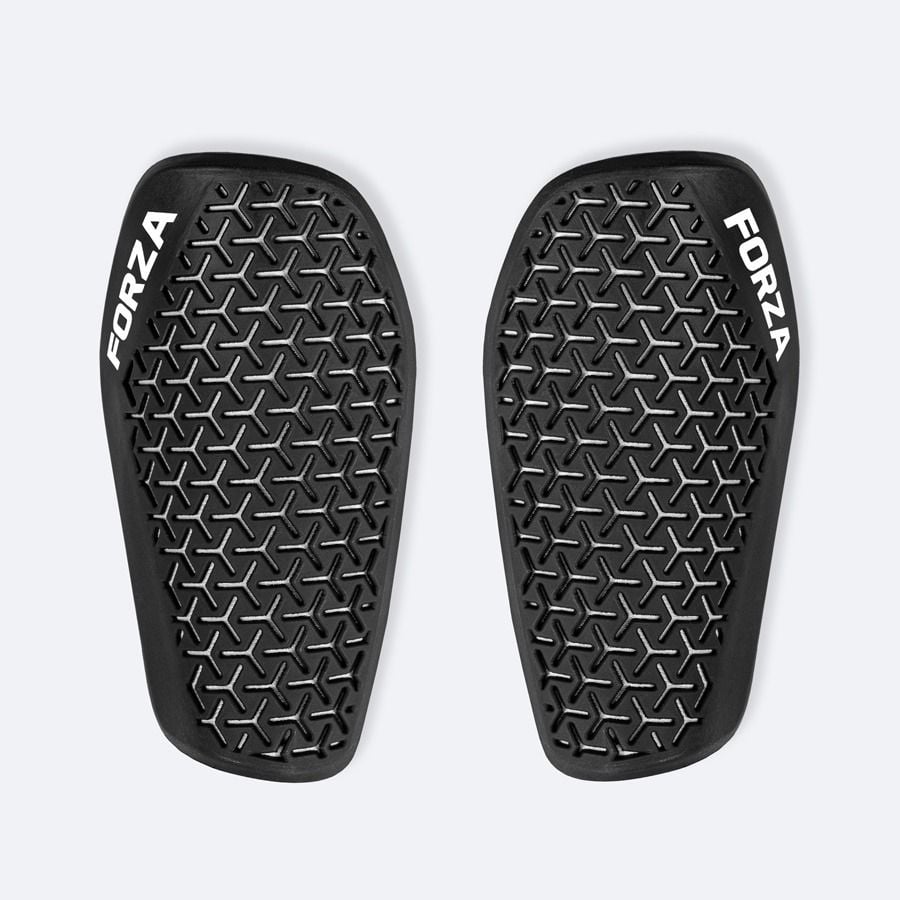
Moulded Slip-In Shin Pads
Best for: Advanced players, professionals, attackers
Slip-in shin pads are the choice of players who prioritise mobility. These lightweight guards slide inside compression sleeves or tight socks, offering maximum freedom of movement.
Pros:
- Ultra-lightweight and barely noticeable
- No interference with ball control
- Maximum ankle mobility
- Professional feel
- Great air-flow & ventilation than most bigger shin pads
Cons:
- Require separate sleeves or tape to stay in place
- Can shift during intense play
- Less overall protection than pads with ankle guards
Ankle Protection Shin Pads
Best for: Youth players, beginners, defenders, goalkeepers
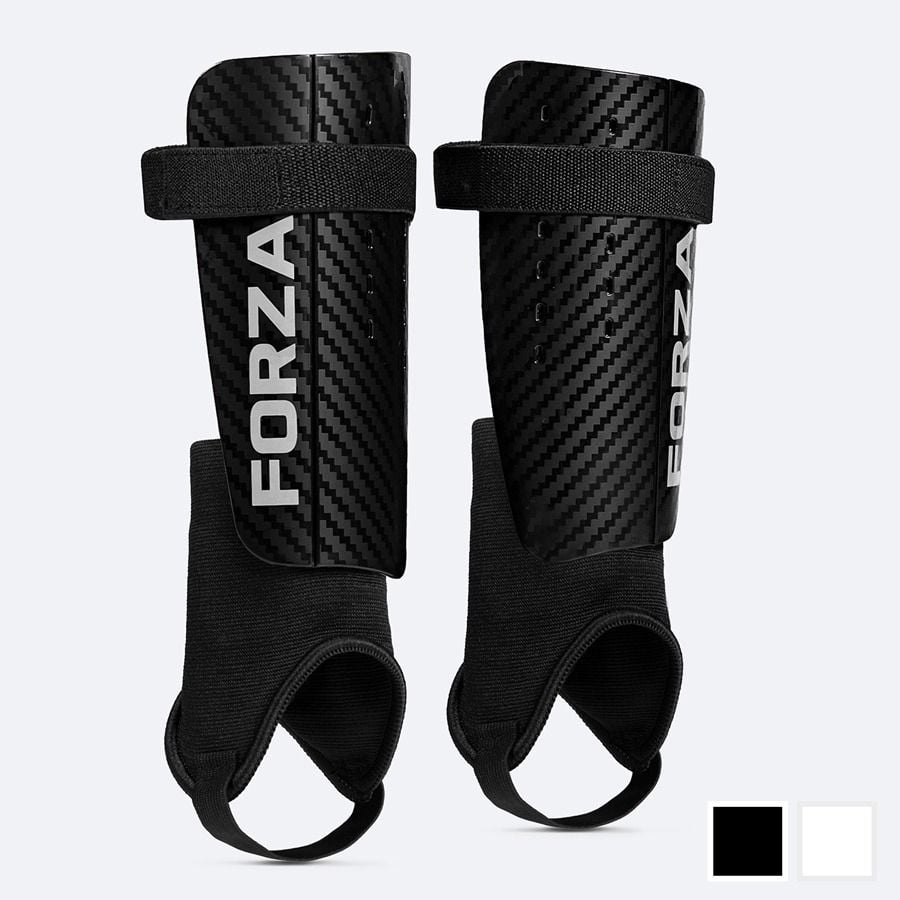
These guards feature integrated ankle protection with a stirrup design that loops under your foot.
Shielding both sides of the ankle, these shin pads help to prevent sprains and bruises that are often caused by collisions or uneven turf. High-quality shin pads with stirrups, not only secure the pad – they also stabilise the ankle joint.
Pros:
- Maximum protection coverage
- Built-in security - stays in place without extras
- No sleeves or tape needed
- Confidence-building for young players
Cons:
- Slightly heavier than slip-ins
- Less ankle flexibility
- Can feel bulky initially
Shin Pad Sleeves With Inserts
Best for: Recreational players, attackers looking for agility and speed.
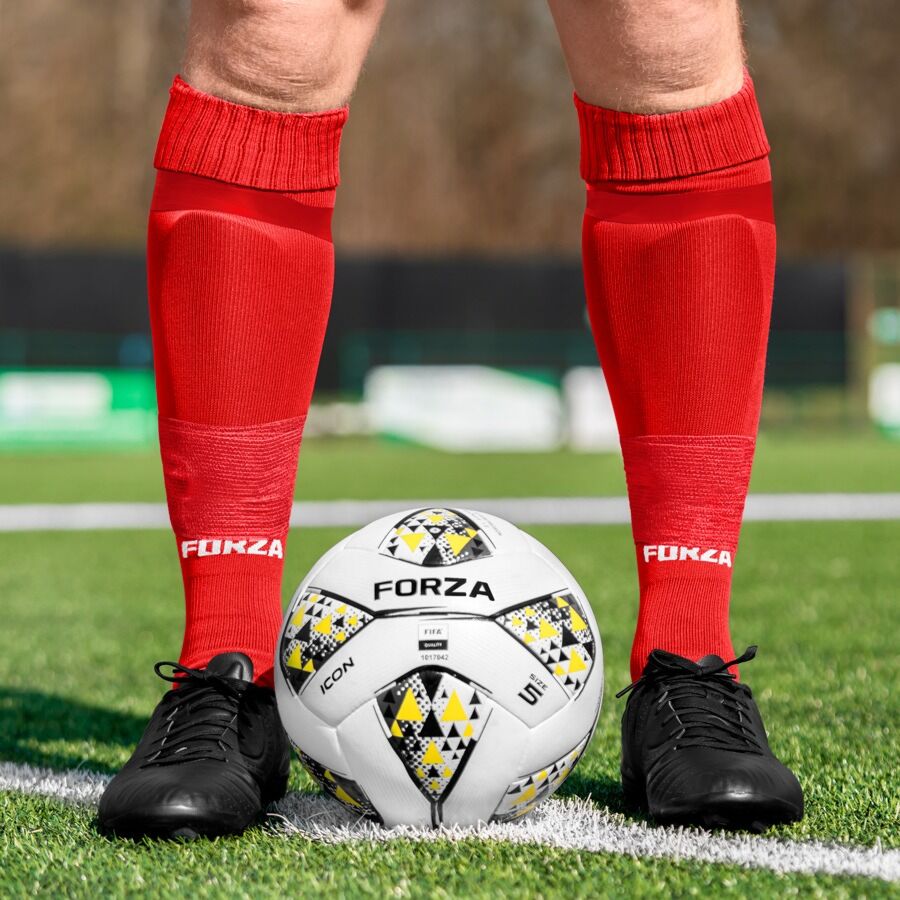
Shin pad sleeves with slip-in pads offer an extremely secure, streamlined fit, that offers comfort and maximum speed and agility on the pitch. With a “barely there” feel and weight, they are a great option for those players who want comfort and no-fuss protection.
Pros:
- Simple and quick to put on
- No slipping or adjusting needed
- Light compression support to prevent cramping
- Streamlined design
- Less likely to move around & irritate skin
- Breathable design if they use moisture-wicking fabric
Cons:
- Requires washing after every use
- Less protection than ankle guards
- Sleeves typically need replacing each season

How to Choose the Right Size Shin Pads
For the highest level of protection, shin pads should cover the majority of the shin bone. Whatever style of shin pad you opt for, getting the measurement right is crucial for protection and comfort.
How to Measure for Shin Pads:
- Sit with your knee bent at 90 degrees
- Measure from 2cm below your knee
- Measure down to just above your ankle bone
- Match this length to shin pad specifications
| FORZA Club Shin Pads — Size Guide by Height & Age | |||
|---|---|---|---|
| Size | Recommended Height | Typical Age | Notes |
| XXS | 110–120 cm | 3–5 years | Smallest size in range |
| XS | 120–140 cm | 6–8 years | Ideal for younger grassroots players |
| S | 140–160 cm | 9–13 years | Balanced coverage & agility |
| M/L | 160 cm + | 14 years + | Largest size, maximum protection |
Match your height or age to the closest size. Product weight ≈ 90–105 g (±10 g), depending on size.
Shin Pad Sizes by Height
While age-based sizing provides a helpful starting point and a quick reference, measuring the height of the player in question, offers a more accurate way to find the perfect fit.
If you're able to measure your own height, or your child's, use the chart to the right for accurate sizing recommendations.
Simply measure height in centimeters and match it to the corresponding shin pad size. For example, if your child is 115cm tall, he or she will most likely want an XXS shin pad. This method accounts for individual variations in growth and ensures optimal protection and comfort, regardless of age.
Between sizes? Consider your position:
- Defenders/Goalkeepers: Size up for maximum coverage
- Midfielders: Choose standard size for balance
- Forwards/Wingers: Can size down for agility

Your playing style will also come into play here too. If you are a defender that likes to turn defence into attack, and loves dribbling out of your own half of the pitch, then you may wish to opt for a different type of shin pad than a no-nonsense defender that revels in sliding tackles long clearances out of defence. When in doubt about shin pad sizes, pick by shin length and check brand charts, as sizes can vary by brand/model. Shin pads should fit snugly and not shift while playing football and carrying out movements including jumps, lunges, pivots and sprints.
What Are Shin Pads Made Of?
Understanding materials helps you choose guards that match your playing level and budget. Different materials are often used for the different elements of the shin pad. For example, the exterior shell of the pads is usually made of a denser material than the actual padding itself.
| Shell Materials — Your First Line of Defence | |||
|---|---|---|---|
| Material | Protection Level | Weight | Key Benefit |
| Polypropylene Plastic | ★★★★★ | Light | Affordable, durable protection |
| Fiberglass Composite | ★★★★☆ | Light | Enhanced impact dispersion |
| Carbon Fiber | ★★★★★ | Ultra-light | Maximum strength-to-weight ratio |
| TPU Memory-Flex | ★★★★★ | Ultra-light | Flexes on impact, returns to shape |
| Padding Materials — Impact Absorption Layer | |||
|---|---|---|---|
| Material | Comfort Level | Shock Absorption | Key Benefit |
| EVA Foam | ★★★★☆ | ★★★★★ | Industry standard, lightweight cushioning |
| Memory Foam | ★★★★★ | ★★★★☆ | Moulds to your leg for a custom fit |
| Polyurethane (PU) | ★★☆☆☆ | ★★★★★ | High-density protection for physical play |
| Backing Materials — Comfort & Fit | |||
|---|---|---|---|
| Material | Breathability | Fit Security | Key Benefit |
| EVA Foam | ★★★★★ | ★★★★☆ | Cushioning without bulk |
| Neoprene | ★★☆☆☆ | ★★★★★ | Moisture-wicking, soft against skin |
| Mesh | ★★★★☆ | ★★★☆☆ | Maximum airflow in hot conditions |
| Compression Fabric | ★★★★☆ | ★★★★★ | Locked-in fit with muscle support |
FORZA shin pads combine premium materials across all three layers for superior protection, comfort, and performance.
When choosing which shin pads you want to buy, it definitely helps to have a basic understanding of the different properties of each material. Modern shin pads will usually feature a hard outer shell. These outer shells can be made from a range of materials including polypropylene plastic for affordability and solid protection, fiberglass composite for a lighter feel, or premium carbon fibre and TPU Memory-Flex for professional-grade impact resistance at minimal weight.
The padding layer determines how impacts feel against your shin. EVA foam is reliable, shock-absorbing, and lightweight. EVA memory foam takes comfort further by moulding to your unique leg shape. Finally, the backing material affects your comfort throughout the game. EVA foam works brilliantly here too, offering cushioning without bulk. Neoprene and mesh are also used in some pads, offering breathability when temperatures rise. Compression fabric locks the pad in place while supporting your muscles and venous return*. Whether you're just starting out or playing at an elite level, there's a material combination built for your needs.
*The calf muscles act as a natural pump, pushing blood back to the heart. Compression supports this process by applying gentle pressure, aiding the removal of waste like lactic acid.
How Do You Wear Shin Pads Properly?
How to Put On Slip-In Shin Pads
- Start with the hard shell facing out. That's the bit that protects your shin, so you want it facing outwards towards your opponent to be the first line of defence.
- Centre the pad on your shin bone. The bottom edge should sit just above your ankle.
- Your football sock goes over everything. Pull it up firmly.
- For extra secure pads, a strip of sports tape should hold everything in place.
How to Put On Ankle Shin Pads
- Sit down and slide your foot through the stirrup opening.
- Stand up and position the stirrup under your heel. It should sit comfortably.
- Adjust the shin pad so it's centred on your shin.
- Fasten the velcro straps. They want to be snug, not tight.
- Pull your socks over the pad and stirrup.
How to Put On Ankle Shin Pad Sleeves
- Pull the sleeve on like a sock.
- Position the guard/pad at the front of your shin. Make sure it covers the shin bone.
- Pull your football sock over the sleeve.
- Smooth out any wrinkles. You're ready to go.

Common Mistakes to Avoid:
Wearing too low - Leaves upper shin vulnerable
Too loose - Rotates during play
Straps too tight - Cuts off circulation
Visible above socks - Against regulations
Left & Right Pads mixed up - Check the labels to ensure the right pad is on the right shin etc.
Test that your shin pads are comfortable and correctly fitted by running in them, and ideally training in them before a match. The shin pads should stay in place when running and jumping, allow full ankle mobility and should feel comfortable. If the edges dig into your skin, or movement is restricted, you probably have a poorly fitting shin pad. Test your shin pads for correct fit by sprinting with sudden stops and sharp changes of direction, and by jumping, landing and performing a deep squat. Be sure to warm up before sprinting or jumping etc with maximal effort though!
Shin Pads for Kids: What Parents Need to Know
Children need protection that builds confidence while encouraging their love of the game. A good fit can make all the difference.
For players under the age of 10, injuries and impacts should be minimal in terms of high-speed shin-to-shin collisions, forceful sliding tackles, etc. With this in mind, comfort is usually what matters most. Lightweight pads should keep junior players safe and mitigate the risk of lower limb injuries. If you want additional protection just in case - then you may wish to opt for shin pads with ankle protection. These pads can also make the younger player feel protected and more confident when tackling.
Ensuring a good fit, proper ventilation, and easy maintenance is essential when choosing football shin pads. Bulky pads can feel uncomfortable and distracting, particularly for young players, while poor airflow may lead to skin irritation from trapped sweat and dirt. The FORZA range includes options for every age and skill level. From lightweight slip-in guards to pads with built-in ankle protection, each design delivers comfort, durability, and excellent value at a competitive price.
| Football Shin Pad Styles – Compare Protection & Comfort | |||
|---|---|---|---|
| Feature | Slip-In | Ankle Guard | Sleeve Style |
| Protection Level | ★★★★☆ | ★★★★★ | ★★★★★ |
| Mobility | ★★★★★ | ★★★★☆ | ★★★★☆ |
| Stays in Place | ★★★★☆ | ★★★★★ | ★★★★★ |
| Easy to Put On | ★★★★☆ | ★★★☆☆ | ★★★★★ |
| Comfort | ★★★★★ | ★★★★☆ | ★★★★★ |
| Durability | ★★★★☆ | ★★★★★ | ★★★★★ |
| Best for Beginners | ✗ | ✓ | ✓ |
| Best for Advanced | ✓ | ✗ | ✓ |
| Maintenance | Low | Medium | High |
With football being a game of inches, requiring delicate touches at times and forceful tackles at others, choosing the right style of shin pads can make a difference. In turn, the best style of shin pad for a given player can largely depend on the position they play. With different positions generally requiring different levels of contact, close control and fine motor skills, it's important that your shin pads match your playing style.
| Position-Based Shin Pad Recommendations | ||
|---|---|---|
| Position | Best Type | Why |
| Goalkeepers | Ankle guards | Maximum protection, less mobility needed |
| Defenders | Ankle guards or sleeve style | Protection prioritized, frequent physical contact |
| Midfielders | Sleeve style or slip-ins | Balance of protection and mobility |
| Wingers / Forwards | Slip-ins | Maximum speed and agility crucial |
Shin Pad Maintenance
How to Clean Shin Pads
Washing and drying your shin pads correctly, can extend their life significantly, and stop them smelling too badly!
Always check the manufacturer's care label and instructions. This is a general guide only.
After each match and training sessions:
- Remove the shin pads from your training bag
- Wipe the pads gently with antibacterial wipes
- Air dry the pads away from direct heat and sunlight
- Store in a cool dry place
- If stored in a bag, make sure it is ventilated & not sealed or airtight

Monthly Deep Clean
For Hard Shell Shin Pads:
- Mix warm water with mild detergent
- Scrub with soft brush
- Rinse thoroughly
- Pat dry with towel
- Air dry completely before storing
For Shin Pad Sleeves:
- Hand wash in cold water
- Use sports-specific detergent
- Gentle squeeze (don't wring)
- Lay flat or hang to dry
- Never machine wash

When Should You Replace Your Shin Pads?
Nothing lasts forever, including shin pads. Over time, with regular use they will lose some of their integrity and protective qualities. Even a slight but significant degradation in the materials of the pads for example, could increase a player's risk of injury. With this in mind, knowing when to replace your shin pads can be important.
Signs Your Shin Pads Need Replacing
- Visible cracks in the hard shell
- Padding compressed & does not spring back
- Persistent odour after cleaning
- Tears in materials or straps
- Ties or fasteners worn out
Expected Lifespan of Shin Pads
How long shin pads last depends how regularly a player uses them, and for children - how quickly they grow:
- Youth players: 1-2 seasons (primarily due to growth)
- Adult players: 2-3 seasons (through regular wear)
- Professional use: 1 season (intensive daily training)
Replace your shin pads as soon as you notice any warning signs or when they become uncomfortable. Even if the shin pads have not reached their expected lifespan - your safety is worth the investment.

Frequently Asked Questions
Whether you’re buying your first pair of "shinnies" or upgrading to a more advanced design or just a bigger size, understanding how shin pads work can make a real difference to comfort, safety, and confidence on the pitch. Below, we’ve answered some of the most common questions parents, players, and coaches ask and search online for...
Can You Play Football Without Shin Pads?
No, all the major governing bodies including FIFA and the English FA require players to wear shin pads. This applies to all levels of the game, and all age groups. According to the rules of the game, a referee should refuse to let a player start the match if he is not wearing shin pads. Players are also advised to wear shin pads during training sessions.
Why Are Shin Pads so Small Now?
Modern materials are able to provide excellent protection, without the need of a large surface area or a thick pad. The market demand has also supported the development of smaller shin pads, which tend to be favoured by skilful players whose style focuses on close control and agility. Many players feel that smaller shin pads don't interfere with ball control, whilst others contend that it makes no difference to them and/or they prefer bigger pads and more protection.
Do You Have to Wear Shin Pads in Futsal?
All players, including goalkeepers have to wear shin pads during a futsal match. Like football, the shin pads in futsal must be made from a suitable material, and they must be fully covered by the player's socks.
Can Shin Pads Go in the Washing Machine?
No, you generally shouldn't put shin pads in the washing machine or tumble dryer. The exterior shells can crack and the padding can degrade. Always follow the care label and instructions; generally speaking you should only hand wash shin pads with mild soap and water.

Do You Have to Wear Shin Pads During Football Training?
There are no FA or FIFA laws that cover whether or not to wear shin pads during training sessions. Whilst shin pads became mandatory under IFAB Law 4 in 1990, these laws and regulations only apply to matches. However, many grassroots and professional clubs require players to wear shin pads during contact training sessions and practices - any sessions or exercises in which tackling is permitted. The majority of coaches agree that shin pads worn during training reduce the risk of injury and help replicate a game as closely as possible, making skills and techniques learned in training easier to transfer to regulation, competitive matches.
How Should I Store My Shin Pads After Use?
After each use, remove your shin pads from your kit bag. This is the most important step, as you want to allow them to air dry completely in a dry and well ventilated area. Keeping your shin pads in a ventilated area, out of direct sunlight and away from direct sources of heat, helps prevent odours and extends the lifespan. Avoid leaving shin pads in damp, enclosed spaces like kit bags, or even car boots. Also don't leave your shin pads in direct sunlight for long periods, as this can cause materials to break down over time.
Gear Up for Success with FORZA
Finding the right pair of shin pads is key to staying confident and comfortable on the pitch. Shin pads that fit correctly also mitigate the risk of injury without impeding freedom of movement. At Net World Sports, our FORZA shin pads are designed to provide comfort and protection for all players. From junior players starting out to professional senior players looking for lightweight, high-impact protection. Explore the full FORZA football equipment range, including goals, training equipment, footballs, bibs, and kit bags. Whether you’re training, coaching, or playing for fun, we have everything you need to elevate your performance on the pitch and your overall enjoyment of the beautiful game.


