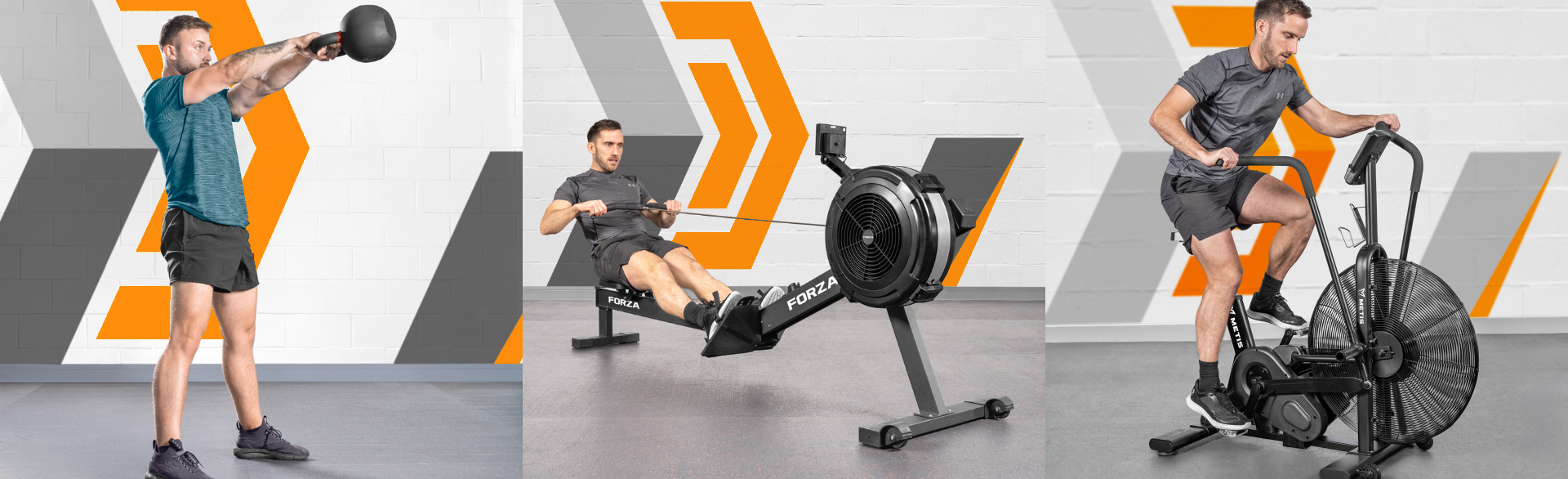
Turning Your Garage Into a Gym
Garage Gym Equipment Guide
Garage gyms have become incredibly popular in recent years and have many advantages over their commercial equivalents. The primary benefit is convenience - if you have limited time, a garage gym can help you fit a workout into your busy schedule. And if you have plenty of time, it still removes the friction that stops most people using their gym membership consistently.
This guide covers everything you need to make it work: choosing gym equipment for your goals, planning around ceiling height and power sockets, keeping the space warm and dry, and building a habit that sticks. There's an FAQ at the end for the quicker questions.
A garage gym gives you the freedom to train on your own schedule — no monthly membership, no queue for the squat rack, no drive across town. Whether the goal is strength, general fitness, weight loss or sport-specific training, converting a garage into a dedicated workout space is one of the most rewarding investments you can make in your training.
Setting up a garage gym involves plenty of decisions: how much space you need, what equipment matches your goals, how to handle flooring, heating, security and everything in between. This garage gym buying guide walks through each stage, from planning your layout to protecting your kit once it's up and running. You can either read the complete guide or navigate to a specific topic using the links in the list below.
Why a Garage Gym Works
The strongest case for a garage gym isn't the equipment or the cost, it's the psychology of exercise and motivation.
In the bestselling book Tiny Habits, behavioural scientist BJ Fogg puts it plainly:
"There are only three things we can do that will create lasting change: have an epiphany, change our environment, or change our habits in tiny ways."
A garage gym does two of the three at once. It changes your environment, and it makes the habit of exercising far easier to start.
Charles Duhigg makes a similar point in The Power of Habit:
"Habits, scientists say, emerge because the brain is constantly looking for ways to save effort."
Take away the commute, the parking, and the queue for equipment, and your brain is far more likely to lock in the habit. The 24/7 availability of a garage gym can make all the difference when it comes to getting healthy and in shape. Even if the exercise sessions are relatively short, the difference to your metabolic health can be significant.
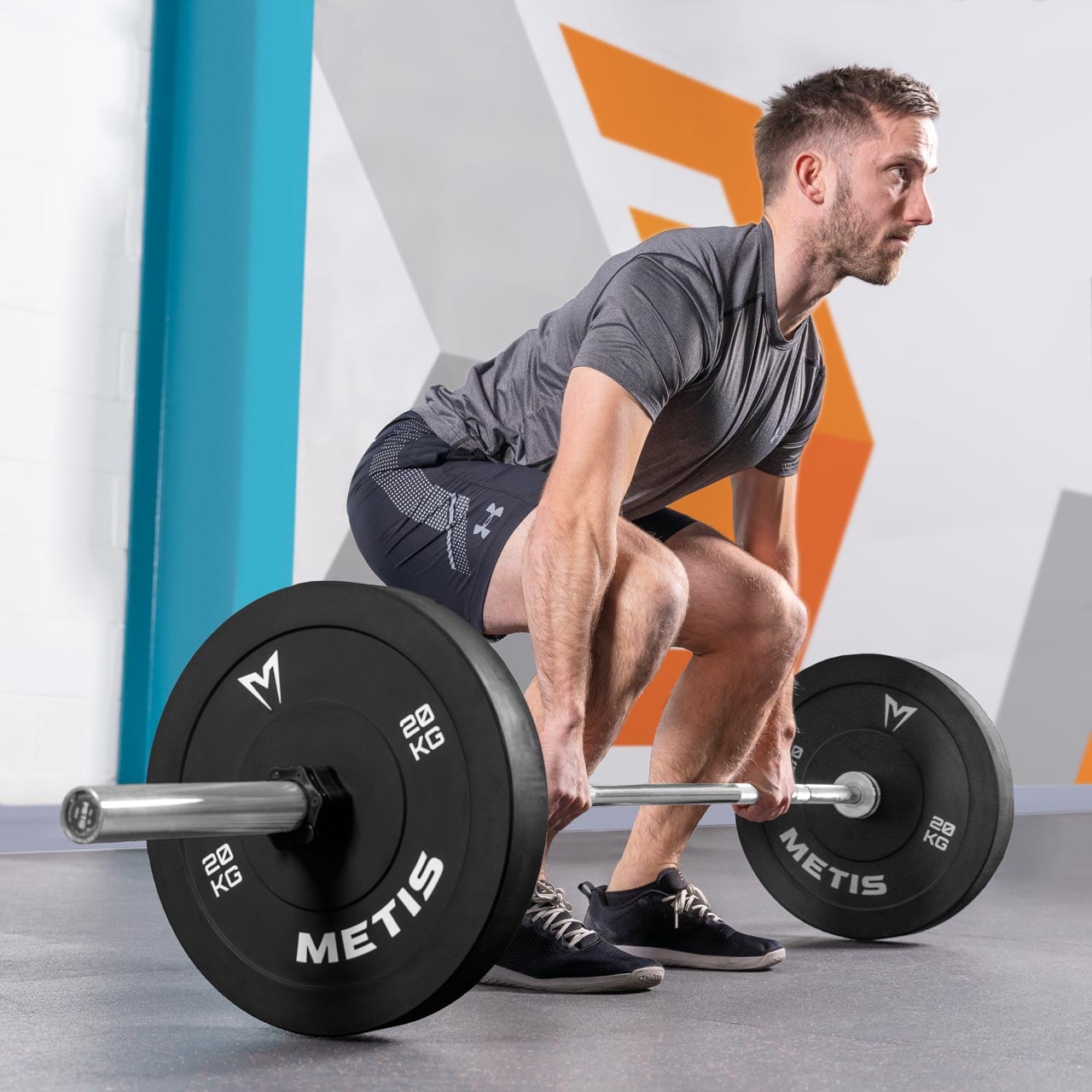
Another benefit of having a gym in or next to your home is spontaneous workouts. If you have a spare 20 minutes that you weren't expecting, you can complete a session without having to navigate the traffic or wait around for specific pieces of equipment. Short workouts can produce many of the benefits of longer ones - research on interval training like Tabata* and single-set resistance training suggests even brief sessions can produce meaningful improvements in fitness and metabolic health.
Convenient, clean and customisable, garage gyms have a range of benefits over commercial gyms:
- Increased time-efficiency
- Increased likelihood of exercising
- Better value over a 5–10 year period
- No stressful commutes
- Reduced fuel and car maintenance costs
- No waiting for equipment
- More hygienic
- Enjoy your own choice of music
- Complete control over your gym environment
- Open 24/7, 365 days a year
Whilst some people enjoy separating their home life from their workouts, with the right decor, music and lighting you can create a motivating atmosphere in your garage that supports a separate "gym mindset". Removing the barriers of a commute and the effort of getting to a commercial gym also makes an exercise regime much easier to stick to.
*Tabata intervals last for 4 minutes. They consist of 8 x 20 second sprints, with a 10 second rest in between. Much of the research has been done using exercise bikes, but people use them for all types of exercises.
Garage Gyms Are More Likely to Get Used
One issue with commercial gyms is that many people who join a gym never actually use it. It's extremely common for people to sign up, pay a joining fee, set up a direct debit, and then only go two or three times before quitting. If you commit to putting a gym next to your home, it's much easier to get started; it takes so much less effort to actually get to the gym.
In the bestselling book Atomic Habits, the author James Clear talks about "removing friction". One of the key components of adopting and adhering to healthier habits is to make new behaviours as easy as possible.
"Success is the product of daily habits - not once-in-a-lifetime transformations."
James Clear
If you can walk into your gym within a few seconds, then a huge amount of friction has been removed. If you come home from work, or wake up in the morning not feeling 100% motivated, it's much less effort to walk 10m into your garage than it is to get in the car and drive to a busy commercial gym. Commuting can be stressful and therefore not an attractive prospect if you are not feeling motivated. With nobody else in the gym, you can wear what you want and listen to whatever music you like too - so as long as your clothes are suitable for exercise, there's no need to get changed.
Home gyms are especially good for beginners or people who are a little intimidated by busy commercial gyms, because you can exercise without the fear of being judged. Convenience is also a big factor for people who don't particularly enjoy working out but want to exercise for the health benefits. If you can start a workout impulsively whenever it suits you, there's less procrastination and the commute becomes one less psychological barrier to overcome.
The first few workouts will be the hardest. Research by Lally et al. (2010) found that habits take a median (average) of 66 days to form; although it is worth noting that was with significant variation depending on the person and what the habit was. Once you're past that point when the habit is formed, workouts should require far less mental effort to start.
Within a few weeks you should also see clear progress in your fitness and strength too, and as you feel the benefits of being fitter and healthier, exercise often becomes something you actually look forward to. Progress is addictive. When you see your body change, your strength increase and your rower, ski erg and/or bike times improve - it's likely that you'll feel motivated but also satisfied.
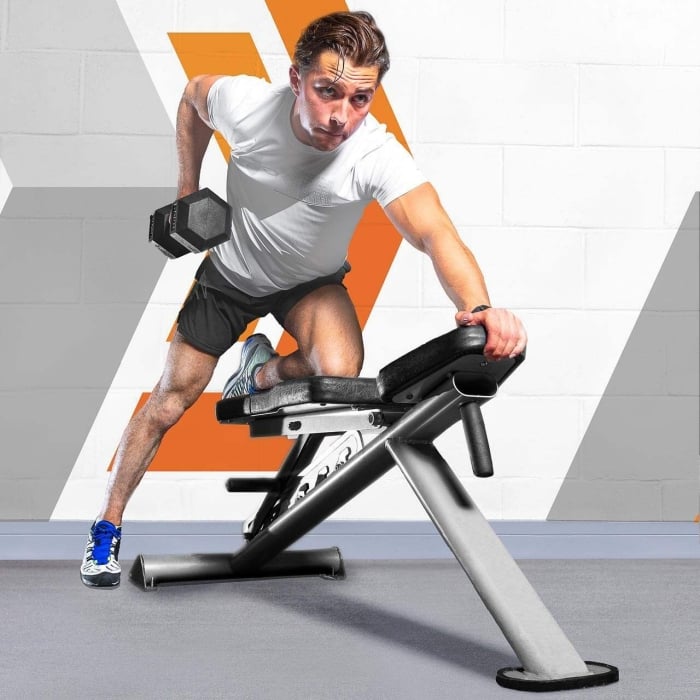
The numbers around gym membership are stark. It's not that people don't want to train, it's that the model of driving to a commercial gym doesn't survive contact with real life for most people. Here's what the industry data looks like when you pull it together.
| UK Fitness By The Numbers | ||
|---|---|---|
| The Stat | What It Means | Source |
| 18% of UK adults are gym members | Up from 14.6% in 2022 - the sector is growing | ukactive 2026 Market Report |
| Only 66.4% of gym members stay each year | Roughly one in three cancel every 12 months | HFA 2025 Benchmarking Report |
| Average gym visit rate: 1.5x per week | Down from 2.1x per week in 2019 | HFA via Glofox 2026 |
| 50% of new members quit within 6 months | Half of new joiners give up before summer | Glofox 2026 industry data |
| 23% quit within the first week | The drop-off starts almost immediately | EHM Tech behavioural research 2026 |
| Up to 67% of memberships go largely unused | Two thirds pay monthly for something they rarely visit | Widely cited industry data |
| £32.50 average UK monthly fee | Around £390 a year, or nearly £2,000 over five years | UK Fitness Industry Statistics 2023 |
| 32% of UK fitness users prefer home workouts | A permanent shift, not a pandemic blip | UK Fitness Industry Statistics 2023 |
| Home fitness market up 40%+ vs 2019 | Growth held on well after lockdowns ended | Fortune Business Insights 2026 |
| Strength kit is the fastest-growing category | Nearly 6% annual growth projected to 2030 | Fortune Business Insights 2026 |
The pattern is consistent across every study: the biggest predictor of whether someone actually trains isn't motivation, willpower, or the quality of their gym. It's how easy it is to get started. A garage gym removes the two barriers that cause most drop-off - the commute and the wait for equipment. The garage gym is likely something you will walk past every day and unless you are training with friends, there is no waiting around for equipment. That's why home fitness is the fastest-growing part of the industry, and why so many people who cancel their gym membership never rejoin.
Garage Gyms Are Ideal for Frequent Workouts
If you drive to a commercial gym in a city centre, it's not uncommon for a 45-minute workout to take around two hours once you add in the commute, parking, waiting for equipment and a bit of socialising.
With a garage gym, you can split your workouts up or stick to longer, standard sessions; or do both. You could start each morning with 10 minutes on your air bike and do a heavy lifting session in the evenings. Garage gyms allow for flexibility in your routine.
Garage gyms can also be an excellent introduction to fitness for the rest of the family. If the gym is set up and ready to use, it may encourage other family members to take advantage of it. If you want to introduce your son or daughter to bodyweight training or boxing, a garage gym with exercise mats, resistance bands and a standing punch bag is an ideal, safe environment.
There's also a real sense of ownership that comes with a home gym. The space is yours and you can personalise everything, from your favourite music to displaying motivational quotes on the walls. This level of control often leads to better adherence. A 2013 study found that home-based participants completed more sessions and were more likely to maintain a long-term exercise routine compared to those working out in a commercial gym.
Garage Gym Communities
Many people go to the gym to socialise or to get out of the house. If you can complete a workout in half the time by doing it in your garage, however, you can spend more time with the family, get outdoors, or relax with your spouse.
With many personal trainers now providing their services online and countless workout apps and online fitness communities available it's possible to get many of the benefits of a commercial gym, and a trainer, at home.
If you enjoy talking to people at the gym, you can always ask a friend to come over and help you train. Training together builds camaraderie, and close social connections are essential for wellbeing and mental health. If you can't find someone to train with, there are plenty of garage gym communities online and even an international garage gym powerlifting competition. Online communities are great for feedback, tips and building your fitness knowledge.
A good place to start is on Reddit's very active home gym forum. There are also a number of helpful home gym groups on Facebook.
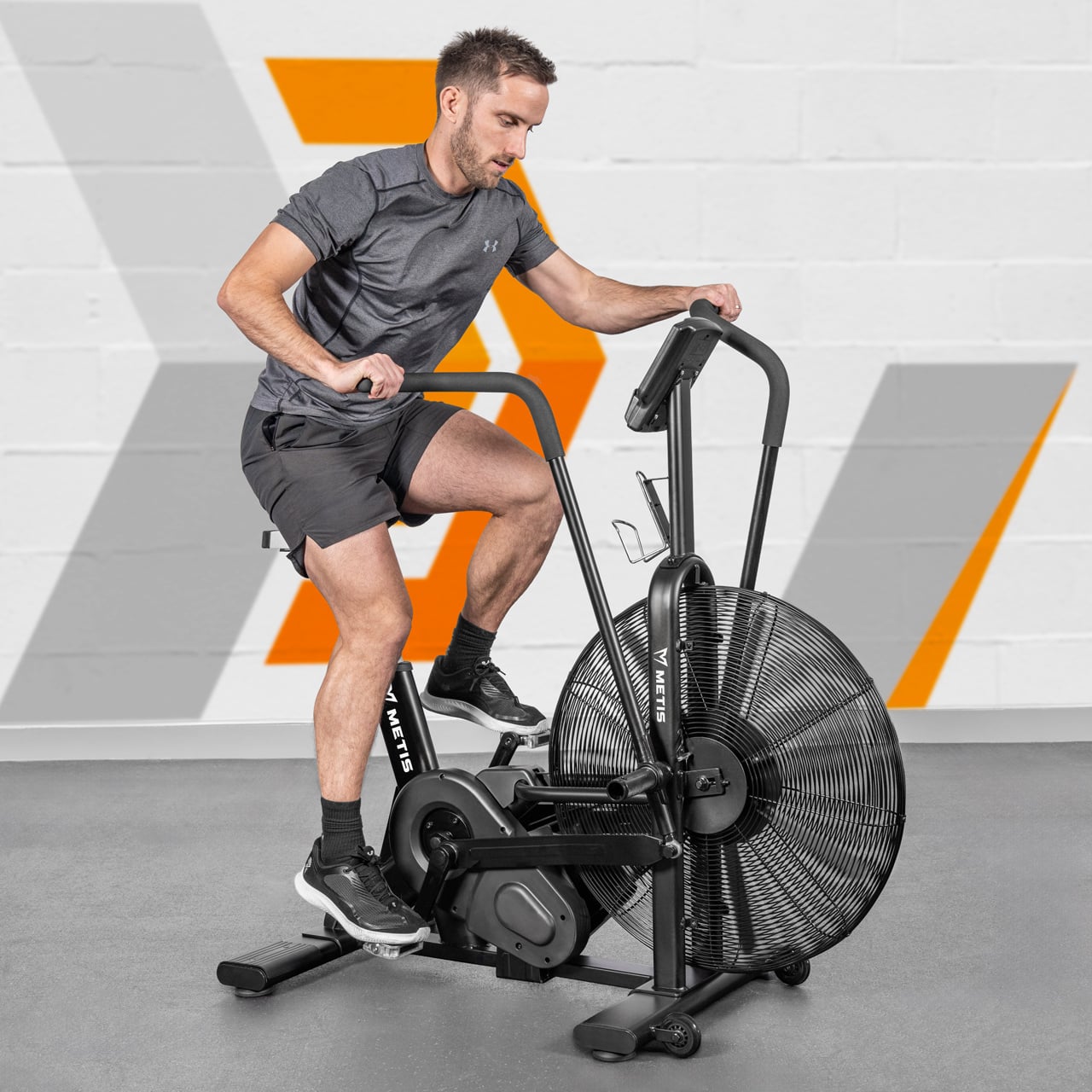
How Do You Turn a Garage Into a Gym?
Start by writing down your fitness goals. Fitness goals can be separated into two categories — outcome goals and process goals.
Outcome goals relate to what you want to achieve, for example:
- "I want to lose two inches off my waist by March 15th."
- "I want to deadlift 150kg by June 30th."
Process goals relate to how you're going to achieve your outcome goals, for example:
- "I will work out for 30 minutes, four times a week in my home gym until October, when I'll review my goals."
- "I will follow my deadlift programme and train at least three times a week for one hour at a time."
Once you know exactly what you want to achieve, you can choose equipment that suits the requirements of your goals.
If fitness and wellbeing are your main goals, you may want to invest in cardiovascular equipment such as a rowing machine, plus some equipment to maintain or build muscle like the FORZA Resistance Bands with Handles. Free weights are a great option if you have goals related to bodybuilding, strength or power for sports like football or rugby. An Olympic Barbell Set and a squat rack are all you need for developing serious power and strength.
To make things easier and more affordable, at Net World Sports we supply a range of garage gym packages, including a hex bar and weights bundle, and a complete gym set with power rack, weights bench, Olympic barbell, and 150kg of Olympic weight plates. The Olympic barbell has a maximum load of 680kg (1,500lbs) and 1.2mm Volcano style knurling for a secure grip.
Whether you'll be training alone is also worth thinking about. If you're weightlifting alone (we'd always recommend having a training partner and spotter), it can be safer to perform heavy squats and barbell bench press in a power cage with safety spotter bars.
Step-by-step planning
- Write down your fitness goals
- Decide on a budget
- Measure the floor space you have available
- Measure your ceiling height (critical for overhead work - more below)
- Count your electrical sockets and check the power supply
- Shortlist the ideal exercise equipment for your goals and budget
- Research storage equipment
- Sketch out a layout
- Decide if you need heating, ventilation, or gym flooring
- Think about security, damp, and noise
Once you have everything on paper, get started by clearing and tidying the garage and visualising the layout.
One quick tip: avoid procrastination wherever possible. Once you've cleared out a space, you can download a free bodyweight exercise app, find a workout on YouTube, and get started. You can also invest in some relatively inexpensive equipment such as resistance bands, a yoga mat and a skipping rope while you plan the rest. A short workout, even if it just lasts 10 minutes, is a highly effective start.
Electrical supply
Most garage gyms won't need a supply of electric - weights, rowers, air bikes etc all work fine without it. However, some cardio machines pull a significant level of energy. Think about how many machines you'll run at once, whether you need extra sockets fitted, and whether the garage is on its own consumer unit or shared with the house.
If in any doubt, get a qualified electrician in.
Ceiling height and space
Two dimensions matter more than most people realise.
Floor space.
A power rack needs roughly 1.2m x 1.5m of footprint, plus at least 2m of clearance in front for barbell work. A rowing machine is around 2.5m long in use. Leave enough clear floor for stretching and dynamic warm-ups too.
Ceiling height.
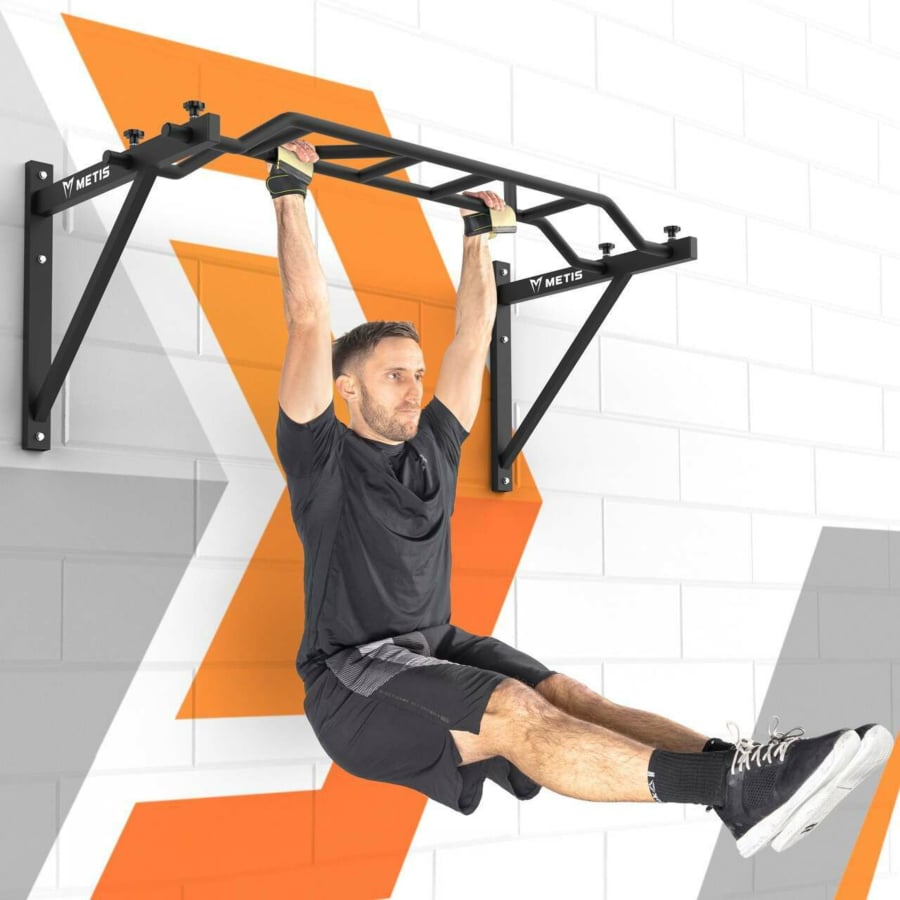
This is the one people forget. Overhead pressing needs enough clearance to lock out with arms fully extended. For most people that's a minimum of 2.4m. Pull-ups need more, and box jumps or plyometric work need more still. UK garages often measure between 2.1m and 2.4m, so measure yours before buying a power rack or committing to a rack-mounted pull-up bar.
| Space & Ceiling Requirements | ||
|---|---|---|
| Exercise / Equipment | Floor Space | Minimum Ceiling Height |
| Overhead Press | 1m x 1m | 2.4m |
| Pull-Ups | 1m x 1m | 2.5m |
| Box Jumps / Plyometrics | 2m x 2m | 2.7m |
| Power Rack | 1.2m x 1.5m + 2m clearance | 2.4m |
| Rowing Machine | 2.5m x 0.6m | Not critical |
| Treadmill | 2m x 0.9m | 2.2m (for taller runners) |
| Skipping Rope | 2m x 2m | 2.7m |
How Do I Turn Half of My Garage Into a Gym?
If you want a half-garage setup so you can still park your car or use the space for DIY projects, it can still be done with a bit of innovation. Folding gym machines and equipment that's easy to store leave lots of space free. This kind of space-efficient equipment is also a good option for small single garages too.
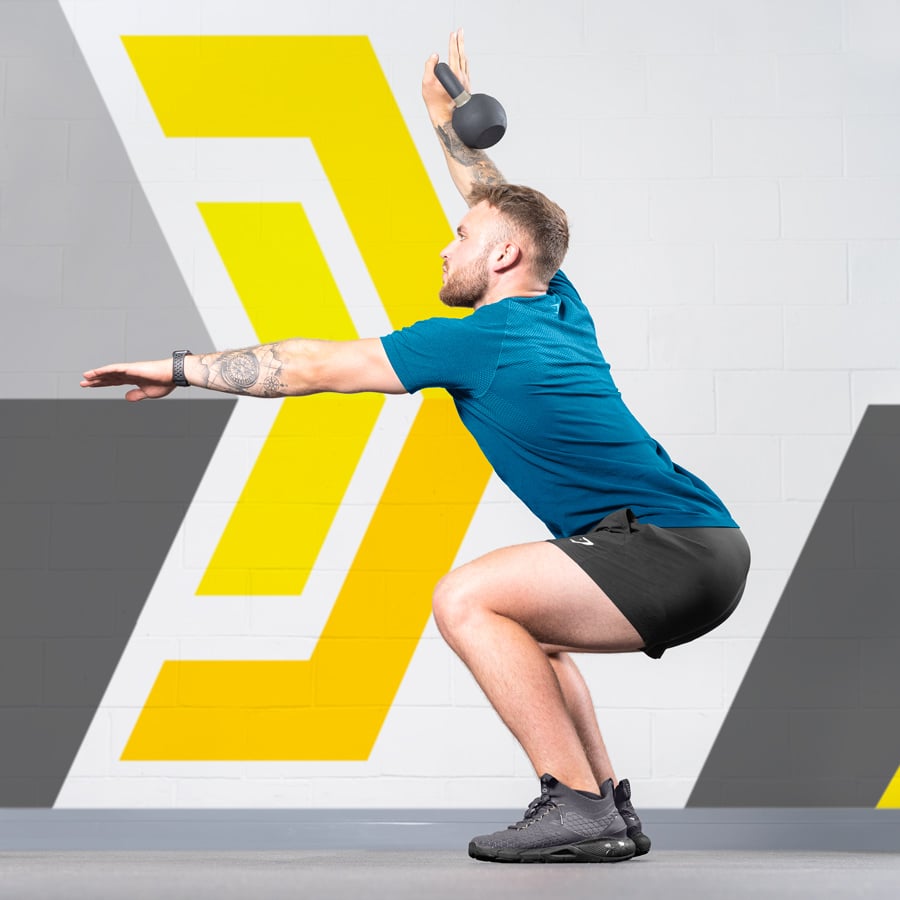
A set of kettlebells, long-looped resistance bands, and a wall-mounted pull-up bar will take up minimal space. Ideal for a half garage / half gym setup, a wall-mounted pull-up bar is unlikely to get in the way of the car or impede any DIY projects.
With the average UK garage smaller than the double garages common in suburban United States, it can be a challenge to fit a power rack, barbell and dumbbells and/or cardio equipment into half of it. That said, you may still be able to fit in a cardio machine or two. An air bike takes up relatively little space, and a FORZA FURY Rowing Machine folds away for storage.
Resistance bands, medicine balls and skipping ropes take up very little room, and a hanging punch bag can be taken down when not in use. You can even separate the gym area from the rest of the garage with gym flooring mats or interlocking floor tiles.
Garage Gym Equipment by Goal
The equipment you need will largely depend on your fitness and workout goals. Below are the essentials for the most common goals.
For fitness and weight loss
The best cardio equipment is the one you'll actually use. All of the below are relatively beginner-friendly:
- Rowing machine - engages upper and lower body, foldable models available
- Air bike - full-body workout, easy on the joints
- Ski machine - no setup, low impact, allows lunges and jumps for variety
- Exercise bike - the simplest option, good for steady-state cardio
- Treadmill - best for runners specifically
- Skipping rope - cheap, effective, brilliant for cardiovascular fitness
- Punch bag - great for HIIT and stress relief
Rowing machines and bikes are especially good for beginners because they're non-weight-bearing, which reduces the risk of injury if your running technique isn't on point or you have any issues with your lower back or knees.
Pair one cardio machine with a set of resistance bands and a kettlebell for a complete setup on a modest budget.
For strength and bodybuilding
The essentials:
- An Olympic barbell and weight plates
- A squat rack or power cage
- An adjustable weights bench
- Two or three pairs of dumbbells in the weight range you use most
- Resistance bands for warm-ups and accessory work
- Chin-up bar (often built into a power cage)
An exercise bike or rowing machine is also a wise investment for a strength-based garage gym. Ideal for low-impact warm-ups and building some aerobic fitness, just a few minutes on the bike can help mitigate the risk of injury when lifting heavy.
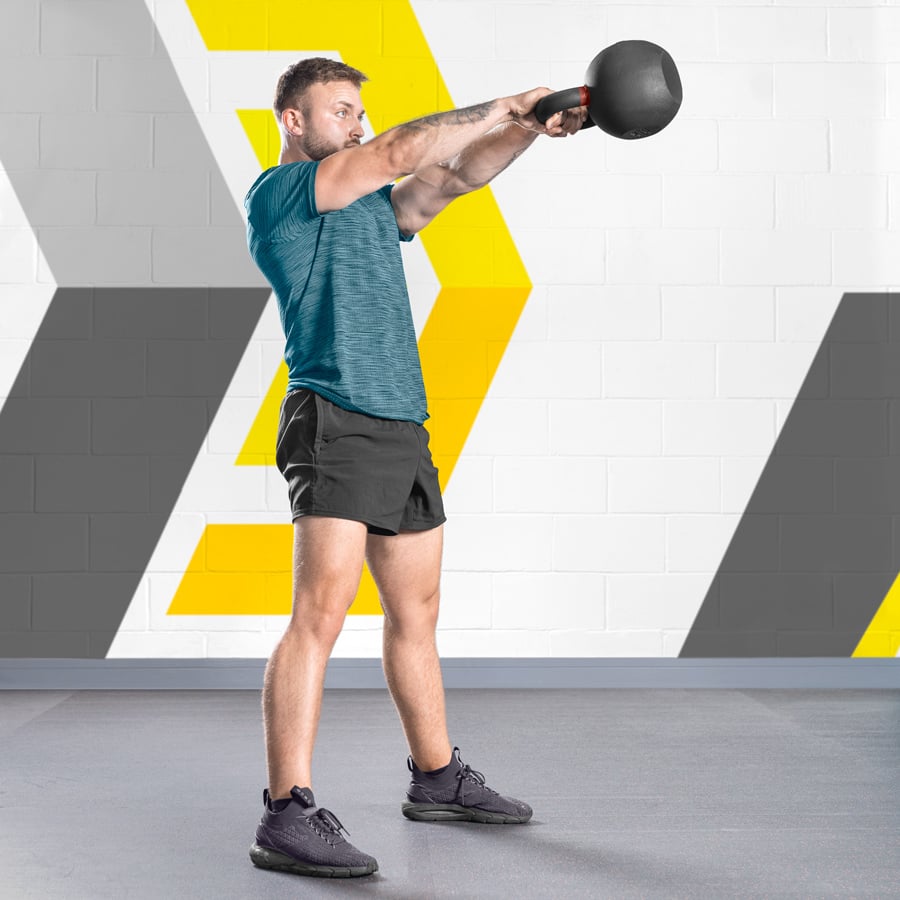
You can add additional 'resistance' to free weights by using looped resistance bands. A yellow or red resistance band for example, can be tied onto a kettlebell handle to add additional resistance. This can help if you are progressing beyond one weight, but don't have a heavier weight.
For sport-specific training
Depending on the sport:
- Skipping rope for footwork and conditioning
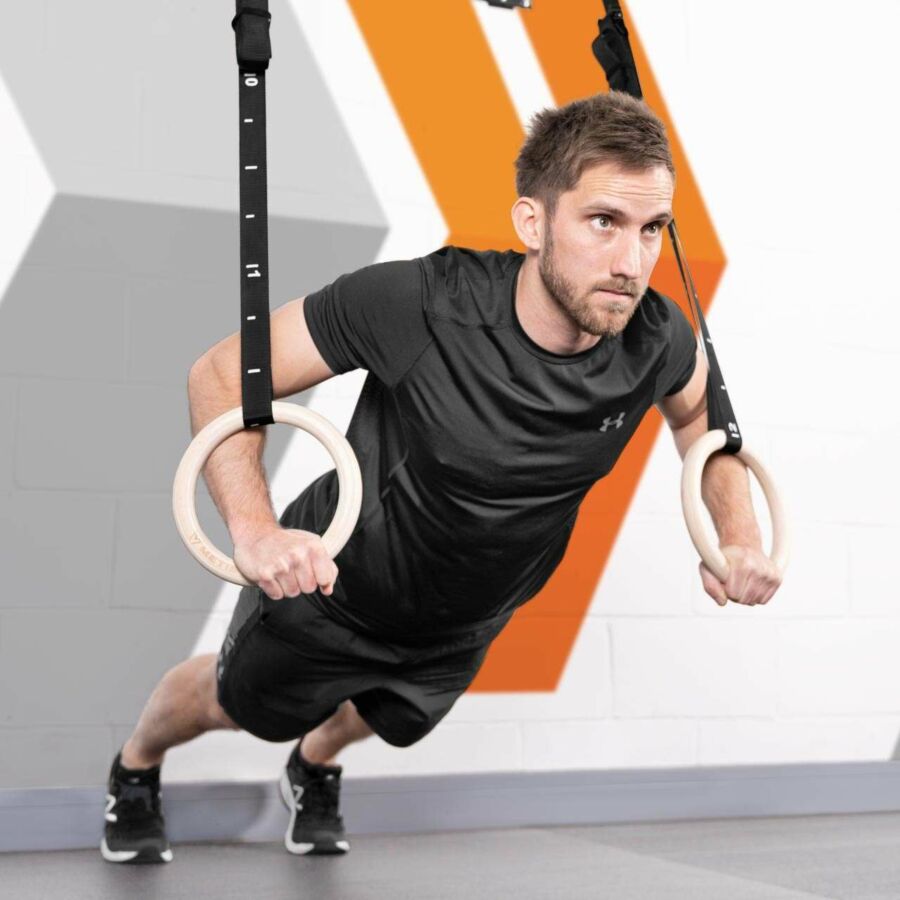
- Suspension trainer for functional bodyweight work
- Weighted vest for progressive overload on bodyweight exercises
- Yoga mat and foam roller for mobility and recovery
- Sprint track or agility ladder for speed work (space permitting)
- Punch bag for combat sports and general conditioning
- Olympic barbell and weight plates for strength training
- Squat rack or power cage
- Pull-up bar
A foam roller is a great tool for anyone engaging in intense exercise. Rolling on a knobbly tube of plastic might not look or feel like it's doing much, but research suggests it can improve performance when used as part of a dynamic warm-up, increase flexibility, and relieve back pain. It's also useful for getting rid of muscle knots and trigger points that accumulate with intense training.
What is the Best Cardio Equipment for a Garage Gym?
Each cardio machine has its own pros and cons. A treadmill is great if you enjoy running and can lead to specific fitness gains if you're training for a sport like football or rugby that involves lots of running. Treadmills are also great for bone density. However, if you have a bad back or arthritis in your knees or ankles, you may prefer a machine that's more forgiving on your joints.
If you're just getting started, the best piece of cardio equipment is the one you think you'll use the most. With that in mind, you may want to opt for something that's easy to use, effective, and preferably fun. Whilst a ski machine isn't weight-bearing like a bike or rowing machine, it's incredibly easy to use and low-impact, meaning the risk of injury is very low.
There's no setup involved with a ski machine, you just stand on the platform and get going. Even if the whole family is making use of it and everyone is different heights, you can get started immediately, which matters if you only have 10 minutes to spare - you don't have to adjust anything. For those looking to increase intensity or variety, a ski machine is great because your feet aren't strapped in place. That lets you perform lunges, skip steps and jumps, which can burn more calories or replicate movements from your sport. Mind you, you don't very often see people adding additional lunges or squats when using a ski machine - it's default use is very challenging.
Other low-impact, effective cardio machines are exercise bikes and rowers. These are ideal if you're carrying a lower-body injury or think you may struggle with running technique. You can always walk on a treadmill on an incline for a challenging, functional workout if you're not comfortable running. But if you want to perform high-intensity interval training or build up a sweat quickly, a rowing machine or air bike may be more efficient, and potentially safer. Just be mindful of your technique and posture when using the rowing machine.
| Cardio Equipment Compared | |||
|---|---|---|---|
| Equipment | Impact | Best For | Space Needed |
| Air Bike | Low | HIIT, all-round fitness | Small (1m²) |
| Rowing Machine | Low | Full-body conditioning | Medium (2.5m length) |
| Exercise Bike | Low | Steady-state cardio | Small (1m²) |
| Ski Machine | Low | Variety, easy to use | Small (1m²) |
| Treadmill | High | Runners, sport-specific | Medium (2m length) |
| Skipping Rope | High | Coordination, cardio | Minimal |
| Punch Bag | High | HIIT, combat sports | Ceiling clearance needed |
If your goal is to build muscular endurance in the entire body (not just the legs), a rowing machine, air bike, or ski exercise machine may be a good option. All three provide an effective upper-body workout that can be tailored to your training goals. For power and strength, interval training programmes with intense sprints work well.
For muscular endurance, longer, steady-state workouts are better. With a range of resistance settings and programmes available on the FORZA air bike, ski exercise machine, and rower, you can tailor workouts to your preferences and objectives.
Last but not least, skipping ropes and weighted hula hoops provide intense, functional exercise. Great for those on a limited budget, skipping ropes are excellent for cardiovascular fitness and coordination. They're also great for building muscular endurance, improving bone density, and increasing lymphatic drainage. Combined with a freestanding punch bag, you can enjoy intense workouts in your own boxing gym.
Weight hula hoops are relatively inexpensive, easy to store, and great fun. The advantage of a garage gym is that you can practise in private until you're a competent hula hooper - then you can show off your skills.
How Much Do You Spend on a Garage Gym?
The cost of a garage gym varies widely. You could set up a minimalist gym for under £100 with a chin-up bar, a kettlebell and a set of resistance bands, or a luxury gym with several cardio machines, a power rack, weightlifting bench, Olympic bar and a complete set of dumbbells for several thousand pounds.
However much you spend, if you want to get fit at home, clearing out an area in the garage is a great first step.
"A year from now you may wish you had started today."
Karen Lamb
To avoid procrastination, clear out your garage, buy some relatively affordable equipment, and invest in more expensive kit later once you've established a routine. A minimalist garage gym on a budget is often just as effective as an expensive one. If you're looking to build fitness, a skipping rope can be a highly efficient training tool, and resistance bands are great for building upper-body strength and muscle mass.
| Garage Gym Budget Tiers | ||
|---|---|---|
| Budget | What You Get | Best For |
| Under £300 | Resistance bands, kettlebell, skipping rope, exercise mat | Getting started |
| £300 - £1,000 | Add a cardio machine, adjustable dumbbells, bench | Fitness & weight loss |
| £1,000 - £2,500 | Power rack, barbell, plates, bench, cardio machines | Strength & bodybuilding |
| £2,500 + | Multiple cardio machines, full dumbbell range, specialist bars | Premium home setup |
If you want to take things to the next level, a power cage, Olympic barbell and weight plates are ideal for strength, power and bodybuilding training. The FORZA Complete Gym Equipment Set includes a heavy-duty power cage, Olympic barbell, commercial bench and 150kg of Olympic weight plates - perfect for a strength-based garage gym. You can perform all the fundamental lifts: squats, full and partial deadlifts, bench presses and shoulder presses.
What's the Best Way to Heat a Garage Gym?
If you're wondering how to heat a garage gym, you have a few options. The best method depends on where you live and how cold the winters get. In the UK, you may only need to put on a base layer of clothing to keep warm, you can buy base layers and compression garments from Net World Sports and FORZA.
If you still feel cold, the next step is to insulate your garage door. Garage door insulation kits are available from most DIY stores and online shops at a reasonable price. Insulating the floor is another cost-effective way to retain heat, interlocking gym mats and rubber gym flooring provide a layer of insulation you'll be thankful for during floor exercises. Proper garage gym flooring is also a good idea for plyometrics or any exercise with high impact on the lower back and knees.
If you still want to invest in a heater, consider a hot-and-cold fan that keeps you cool in summer and warm in winter. A simple electric space heater is another good option.
Things to consider when choosing a garage gym heater:
- The number of electrical sockets you have in the garage
- The size of your garage (larger garages need bigger or more heaters)
- How cold winters get where you live
- Ventilation (some gas-powered heaters require free-flowing air)
The type of training you do also matters. Steady-state cardio in a cold environment carries a relatively low injury risk, especially on exercise bikes with little impact and a controlled motion. Plyometrics and heavy lifting need proper warm-ups to reduce the risk of muscle tears, cold muscles are far more injury-prone - so be sure to get a bit of a sweat on if possible before doing anything 'explosive' like jumping or Olympic lifting.
One final tip: the body loses heat predominantly through the palms of the hands, soles of the feet, and skin on the face. These areas contain blood vessels that facilitate a large amount of heat loss. Thick socks and gym gloves can make a surprising difference. See our winter accessories for a choice of beanies, snoods and gloves.


What's the Best Garage Gym Flooring?
Assuming it's not especially smooth or slippery, a concrete floor isn't necessarily a problem for a garage gym. As long as you wear shoes with good grip and use rubber-coated bumper plates, bare concrete is workable for a lot of people.
However, if you want to make your garage gym look great and add a level of safety and comfort, use either interlocking gym flooring tiles, rubber garage gym floor mats, or a combination of both. Gym flooring will also make the acoustics better and the dropping of any weights less noisy and less damaging to your floor and the weights themselves.
Options in order of cost:
- Interlocking foam tiles - cheapest, good insulation, comfortable underfoot
- Rubber gym flooring - the standard for serious setups, durable enough for dropped weights
- 30mm non-slip tiles - the premium option, best for combat sports or heavy lifting
Investing in thick, non-slip gym flooring makes your gym safer and more comfortable. A well-insulated, warm gym is also less likely to cause injuries than a cold one approaching freezing on a winter evening. For an extra level of warmth and comfort during floor exercises, use a premium or folding yoga mat.
| Garage Gym Flooring Options | |||
|---|---|---|---|
| Product | Best For | Thickness | Price From |
| FORZA Foam Interlocking Gym Floor Mats | Bodyweight, yoga, general home training | 10mm | £9.99 |
| FORZA Rubber Gym Flooring Mats [50cm x 50cm] | Small home gyms, flexible layouts | 15mm | £16.99 (pack of 4) |
| FORZA Rubber Gym Flooring Mats [1m x 1m] | Weight training, cardio machines, all-round use | 10mm - 30mm | £23.99 |
| FORZA 1m² Tatami Foam Jigsaw Tiles | MMA, Jiu Jitsu, grappling, martial arts | 20mm / 40mm | £32.99 |
| FORZA 1m² Reversible Jigsaw Foam Gym Mats | Versatile home use, soft-fall training | 20mm / 40mm | £32.99 |
| FORZA Rubber Gym Flooring & Connectors | Heavy lifting, dropped weights, commercial-grade setup | 20mm / 30mm | £149.99 |
| FORZA Sprint / Sled Track | Sprint work, sled pushes, agility drills | 10m x 1m | £299.99 |
If you're a Jiu Jitsu, MMA or grappling enthusiast, a fully matted gym is essential. You may need some additional mats for takedowns, but a fully matted floor provides a safe area for ground-based grappling, warm-ups, and drilling specific techniques with a partner.
A sprint track is a great purchase for anyone wanting to do short sprints, agility ladder work or sled pushes. You will need a relatively large garage to make a sled a good option however.
Protecting Equipment from Damp and Rust
UK garages tend to be damp, and iron rusts. Always check the manufacturer's instructions and warranty before applying oil etc. A few simple steps will keep your equipment in good condition:
- Use a dehumidifier if it gets really damp
- Wipe down barbells and dumbbells after sweaty sessions
- Store weights on racks rather than directly on concrete
- Apply a light coat of oil or a rust-inhibitor spray to bar knurling once a month
- Silica gel packs help with smaller storage boxes for accessories
Bumper plates, coated dumbbells, and stainless-steel kit are less prone to rust than raw iron, and generally worth the extra cost if damp is a real problem.
Installing mats and having adequate ventilation should also help prevent any rust or damage from the damp.

Security
A well-equipped garage gym is worth thousands of pounds, often more than the contents of the average shed (which are a prime target for theft). Sensible steps:
- Fit a proper lock on the garage door
- Add a motion-activated light outside
- Install a visible security camera; even a dummy one is a deterrent
- Check your home insurance covers outbuildings and gym equipment
Noise
If your garage backs onto a neighbour or connects to a bedroom wall, noise is worth planning for:
- Rubber flooring absorbs a huge amount of impact noise
- Bumper plates are far quieter than iron plates when dropped
- Cardio machines vary - belt-driven bikes are near-silent, treadmills less so
- Avoid dropping weights early morning or late evening - if you have no flooring
- If you have close neighbours, a quick conversation before you start training goes a long way
How Can I Improve My Garage Gym Lighting?
Getting the lighting right matters for safety and for creating an energetic, inviting atmosphere. We always recommend hiring a qualified electrician for any lighting work.
With a professional's guidance, you can enhance existing bulbs with an adapter that allows you to use two or three bulbs instead of one. You can also invest in high-output 300W 4000-lumen bulbs. Two or three should be enough for the average single garage.
Garage Gym Decor
To create a motivational, enjoyable training atmosphere, a few touches to the decor go a long way. The colours and ambience can help you adopt a training mindset when you walk out of your living room into your gym.
It also helps to keep the gym tidy with some storage solutions. A FORZA dumbbell storage rack, plate tree, and hooks for bands and skipping ropes make the space safer and look far more professional.
A lick of paint is worth considering. For a dark, grungy feel, black paint works well. For a more vibrant, energising feel, red is often cited as the best option.
A garage gym mirror can give the gym a feeling of extra space and helps with checking form and technique. Great for gyms that feel dingy, mirrors can be mounted as a reflective wall or placed strategically - behind a power rack, or beside cardio machines. When choosing mirrors, opt for ones that are at least 4mm thick and at least 0.9m (3ft) tall. If you're a DIY enthusiast fitting them yourself, you'll need a spirit level, a J-channel for the mirrors to sit in, a tape measure, and heavy-duty construction adhesive. For safety, we always recommend having a professional check the installation is secure.

A punch bag gives a gym a traditional, no-frills feel that few other items match. Add a few old-school boxing posters to finalise the look. A sprint track used in conjunction with high-quality gym flooring adds colour and is also useful for agility and CrossFit-style workouts.
Finally, giving your garage gym a name gives it an extra dimension of personality.
Conclusion
A garage gym is one of the most reliable ways to turn exercise into a habit. It removes the two biggest barriers that stop people exercising - the commute and the wait for equipment. Instead the gym is something you walk past every day.
The economics work in your favour over time too. Premium equipment lasts decades, and once the initial outlay is done there's no monthly membership eating into the value. Factor in the fuel and parking savings and a home setup usually beats a commercial gym over any reasonable timeframe.
If you're just getting started, don't wait until you can afford a full setup. A few resistance bands, a kettlebell and a skipping rope is enough to build the routine. The kit can grow with your goals.
Garage Gym FAQ
How much space do I need for a garage gym?
For a basic setup with cardio and free weights, around 3m x 4m is enough. A power rack setup needs at least 1.2m x 1.5m for the rack itself, plus 2m clearance in front for barbell work. Rowing machines and treadmills are around 2.5m long in use.
What ceiling height do I need for a garage gym?
A minimum of 2.4m allows most people to perform overhead presses with arms fully extended. Pull-ups and box jumps need more. UK garages often measure between 2.1m and 2.4m, so measure before buying a rack or committing to a rack-mounted pull-up bar.
How much does a garage gym cost?
Anywhere from under £100 for a minimalist setup with a kettlebell, skipping rope and resistance bands, to £2,500+ for a full setup with power rack, Olympic barbell, weight plates, bench and cardio machines. Most enthusiasts spend somewhere between £500 and £2,000.
Is a garage gym worth it?
Over five to ten years, a well-built garage gym almost always works out cheaper than a commercial gym membership — and you save the time, fuel and effort of commuting. Adherence is also much higher because the friction to starting a workout is so low.
How do I stop my equipment rusting?
Run a dehumidifier if damp is a persistent problem, wipe down bars and dumbbells after sweaty sessions, store weights on racks rather than concrete, and apply a light oil or rust-inhibitor spray to knurled surfaces once a month.
Can I do a garage gym in half a garage?
Yes. Focus on foldable and wall-mounted equipment: a foldable rowing machine, wall-mounted pull-up bar, kettlebells, resistance bands, and interlocking floor tiles that stack away when not in use. A standing punch bag can also be moved out of the way.
What's the minimum equipment to get started?
Resistance bands, a kettlebell, a skipping rope, and an exercise mat is enough for a full-body workout. Add a pull-up bar and you can cover most muscle groups.
How long does it take to build a workout habit?
Research by Lally et al. (2010) found habits take a median of 66 days to form, with wide variation depending on the person and the behaviour. The first few weeks are the hardest — once you're past that, exercise starts to feel automatic.